Utah Untamed
Stories
Origin stories, town names, pioneer and mining history, and Utah legends.
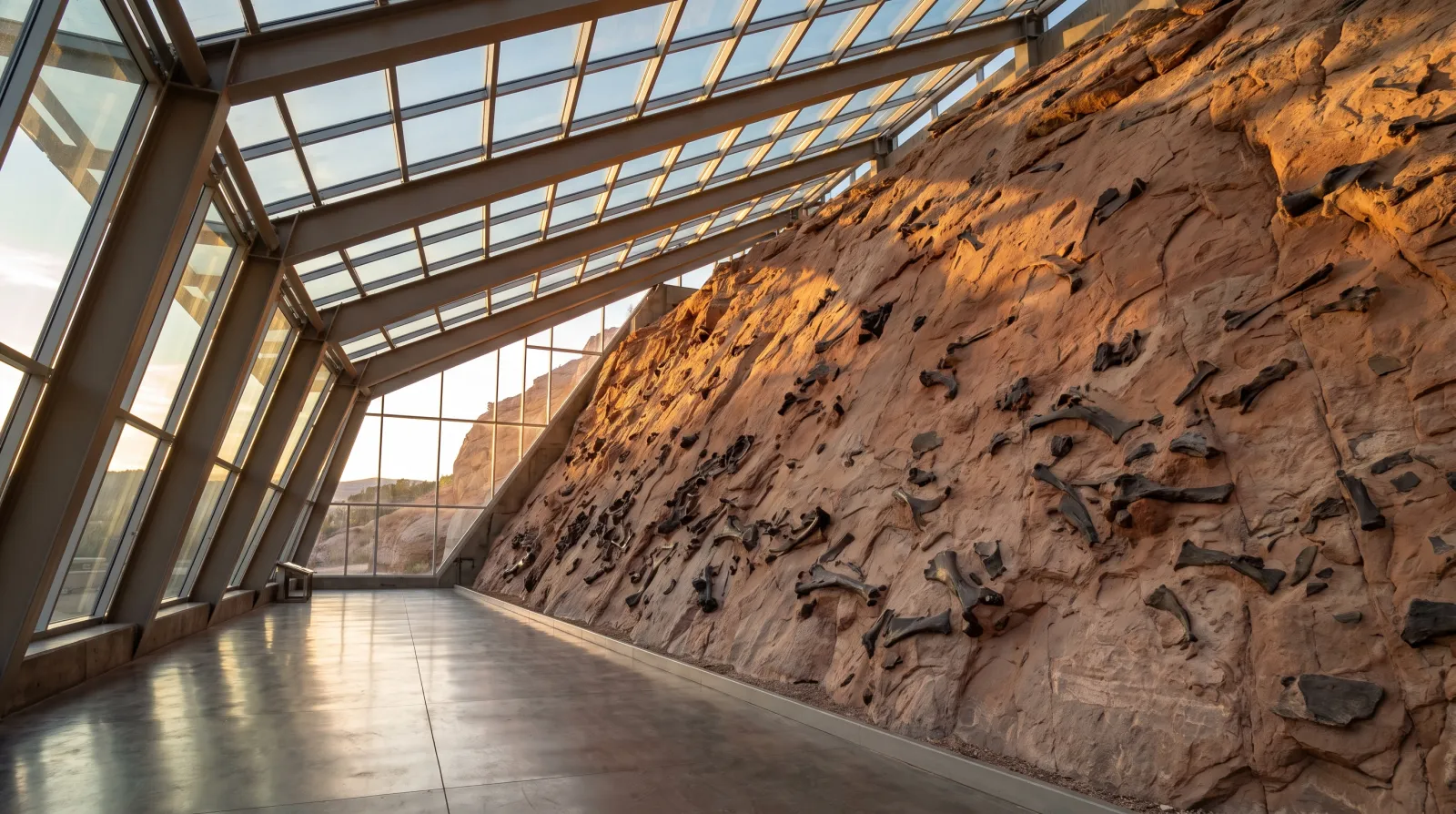
The Wall of Bones: Utah's Quarry Where 1,500 Dinosaurs Are Still in the Rock
Near Jensen, a two-story cliff face inside the Quarry Exhibit Hall holds roughly 1,500 dinosaur bones still locked in 150-million-year-old rock — and at one marked spot, you're allowed to touch one.
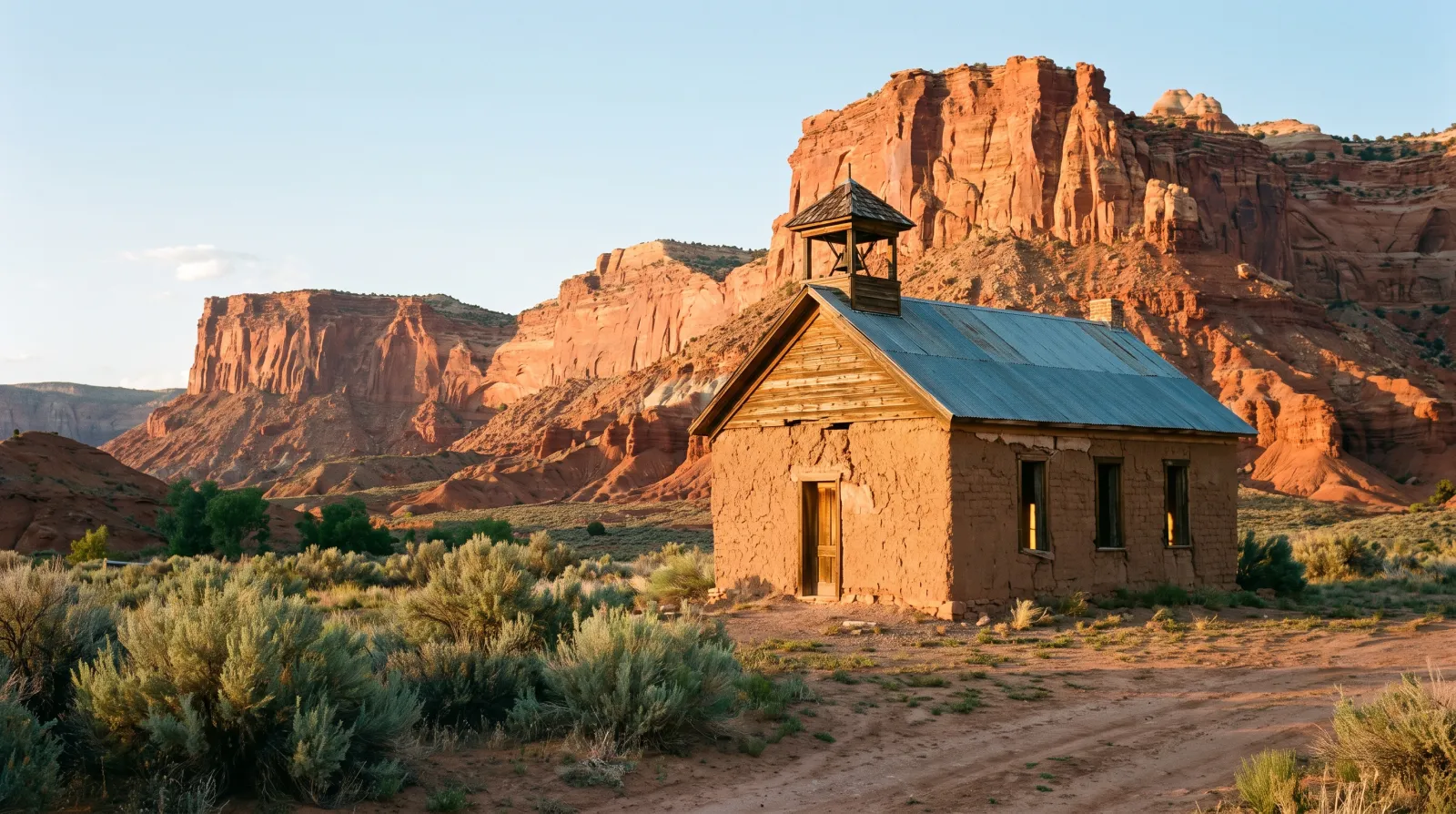
Grafton, Utah: The Ghost Town Below Zion That Refused to Stay Buried
Grafton is a preserved pioneer ghost town on the Virgin River, two miles off the road most Zion visitors never leave. Often called the most photographed ghost town in the West, it's also the unnamed backdrop of Butch Cassidy and the Sundance Kid.
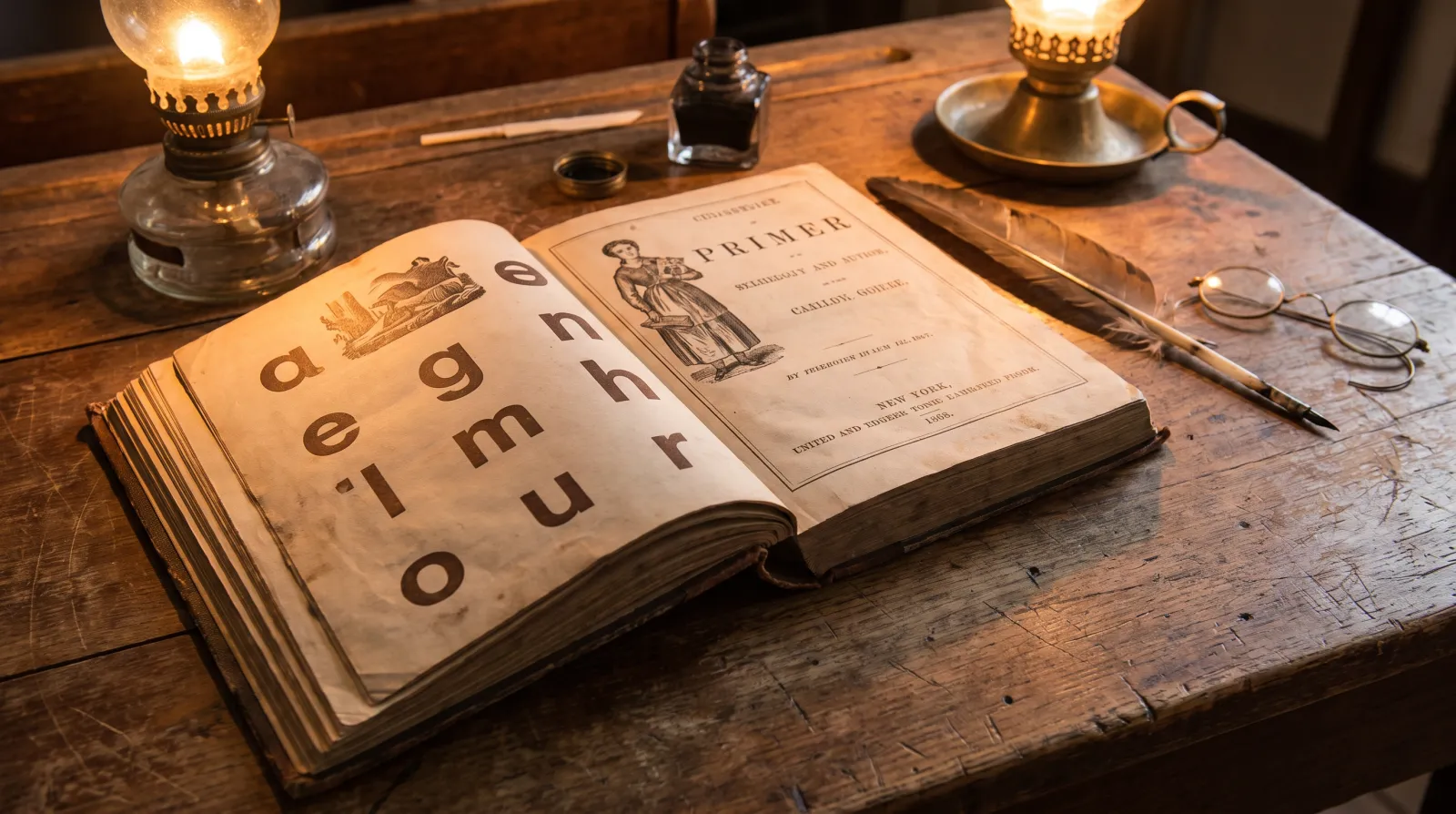
The Alphabet Utah Invented to Replace English
In 1854, Utah's territorial leaders adopted a 38-character phonetic alphabet meant to replace standard English spelling. They printed schoolbooks and a full Book of Mormon in it before the whole project quietly died.
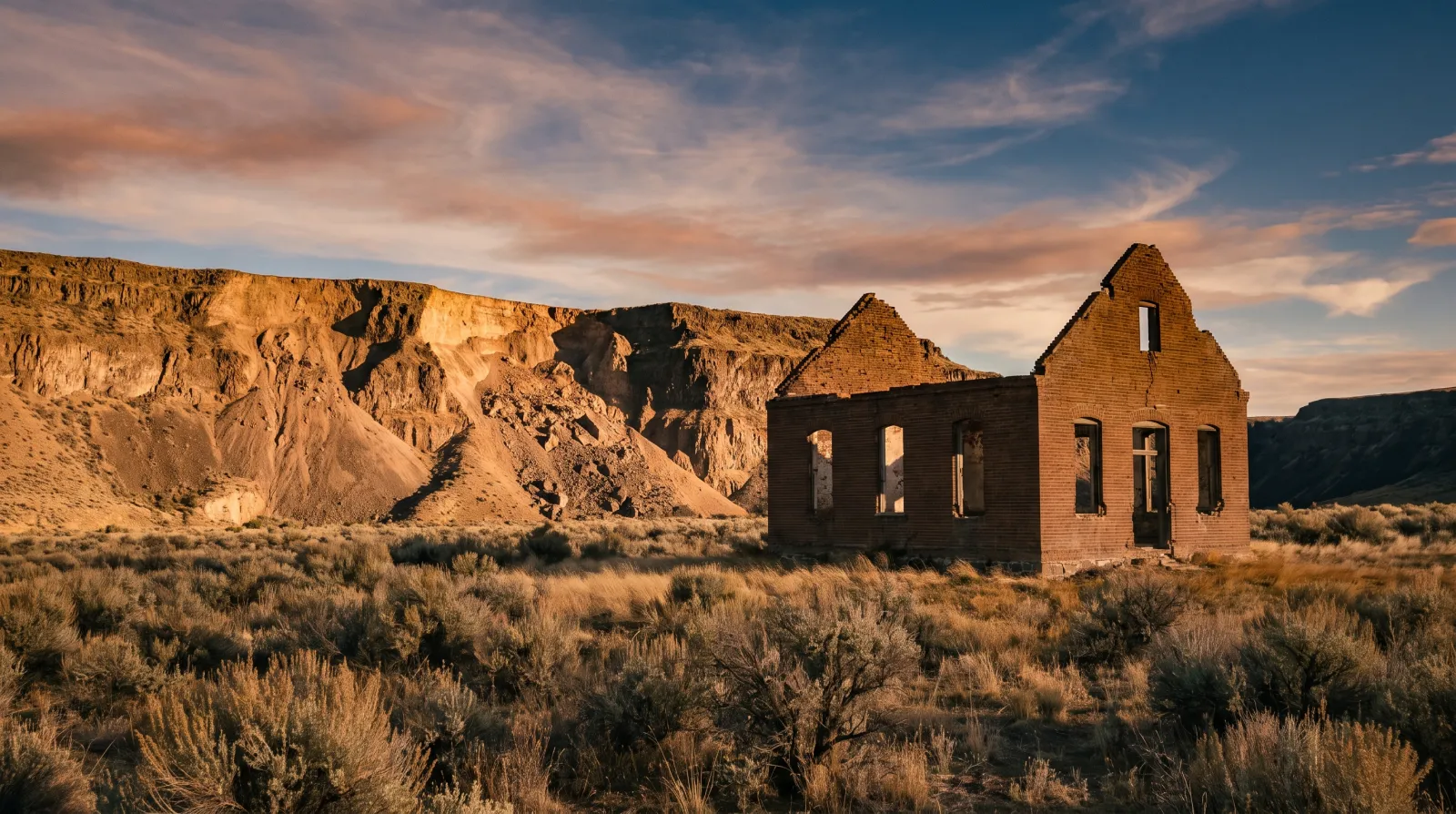
The Utah Town That Drowned in Three Days: What Happened at Thistle
In April 1983, a slow-moving landslide dammed the Spanish Fork River and buried the railroad town of Thistle under 160 feet of water. Nobody died. The town never came back, and the ruins still sit beside U.S. 6/89.
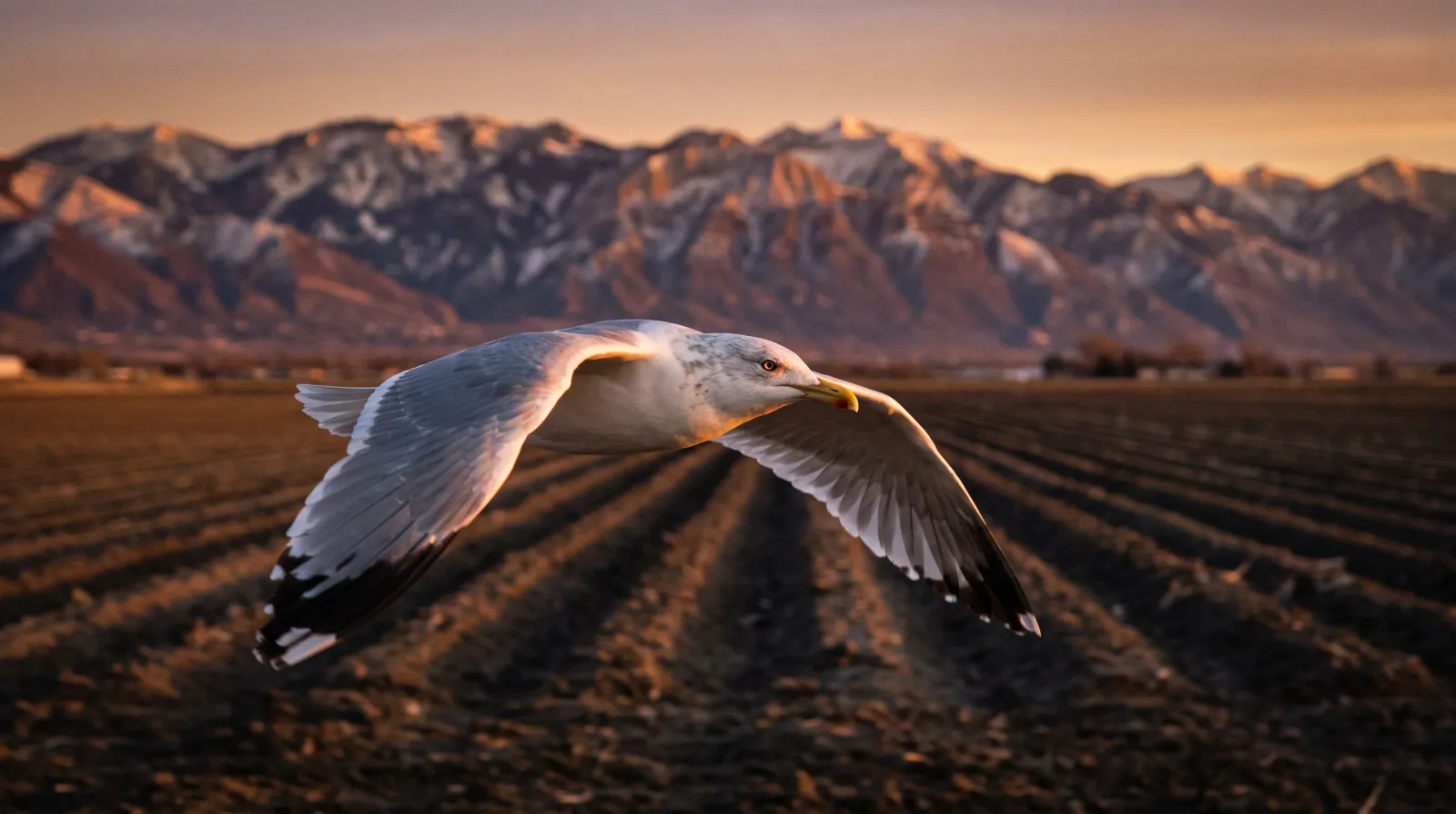
Why a Landlocked Desert State Made the Seagull Its Official Bird
Utah's state bird is a gull, and the nearest ocean is 700 miles away. The reason traces to 1848, when flocks of native gulls ate the insects threatening the pioneers' second crop — a story the settlers' own diaries tell more quietly than the legend does.
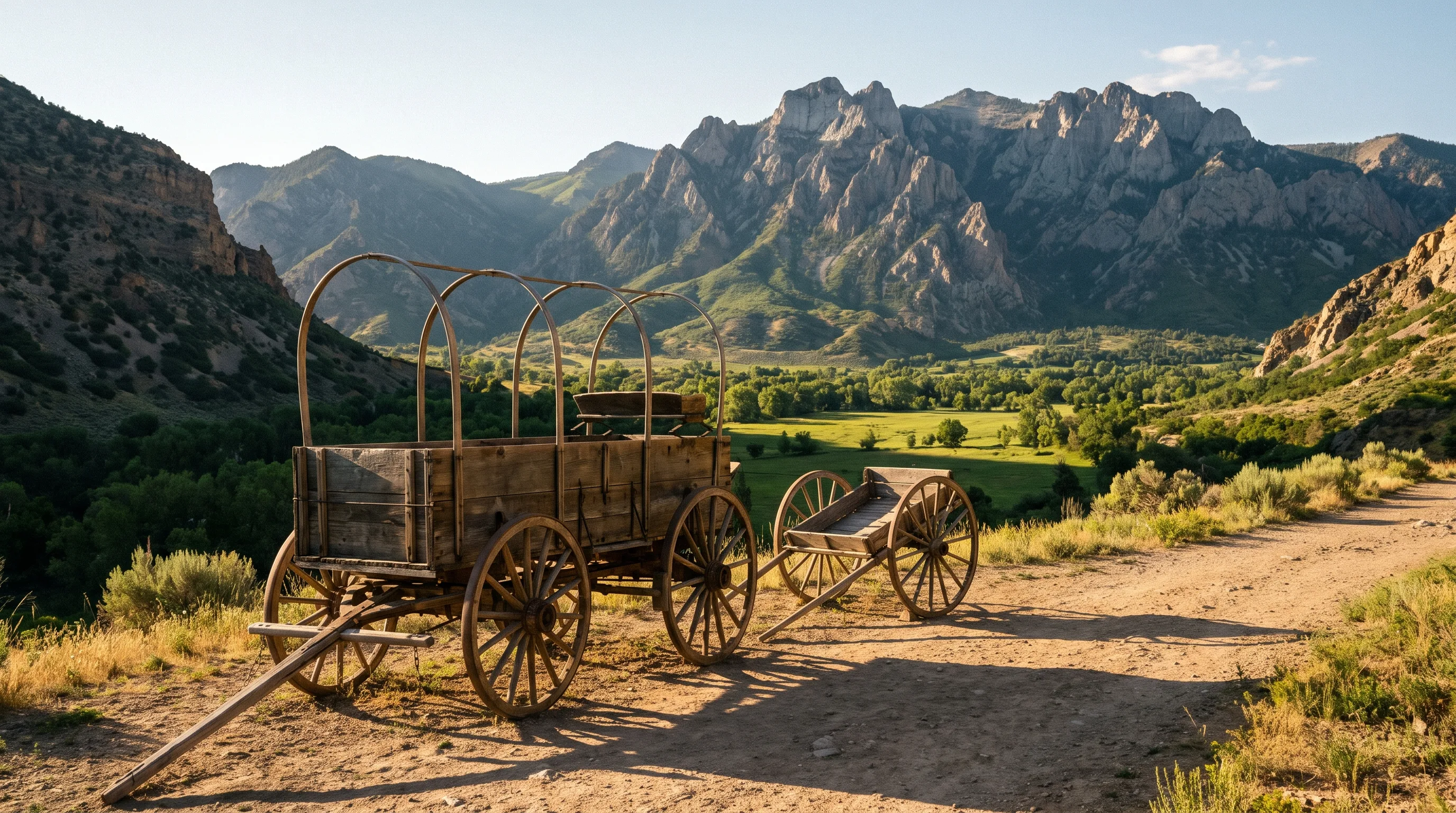
What Is Pioneer Day? Utah's Other Fourth of July, Explained
Pioneer Day is a Utah state holiday, observed every July 24, marking the day in 1847 the first company of Mormon pioneers entered the Salt Lake Valley. Here's what the day commemorates, the parade and gold-medal rodeo that anchor it, and the tongue-in-cheek Pie and Beer Day that grew up beside it.
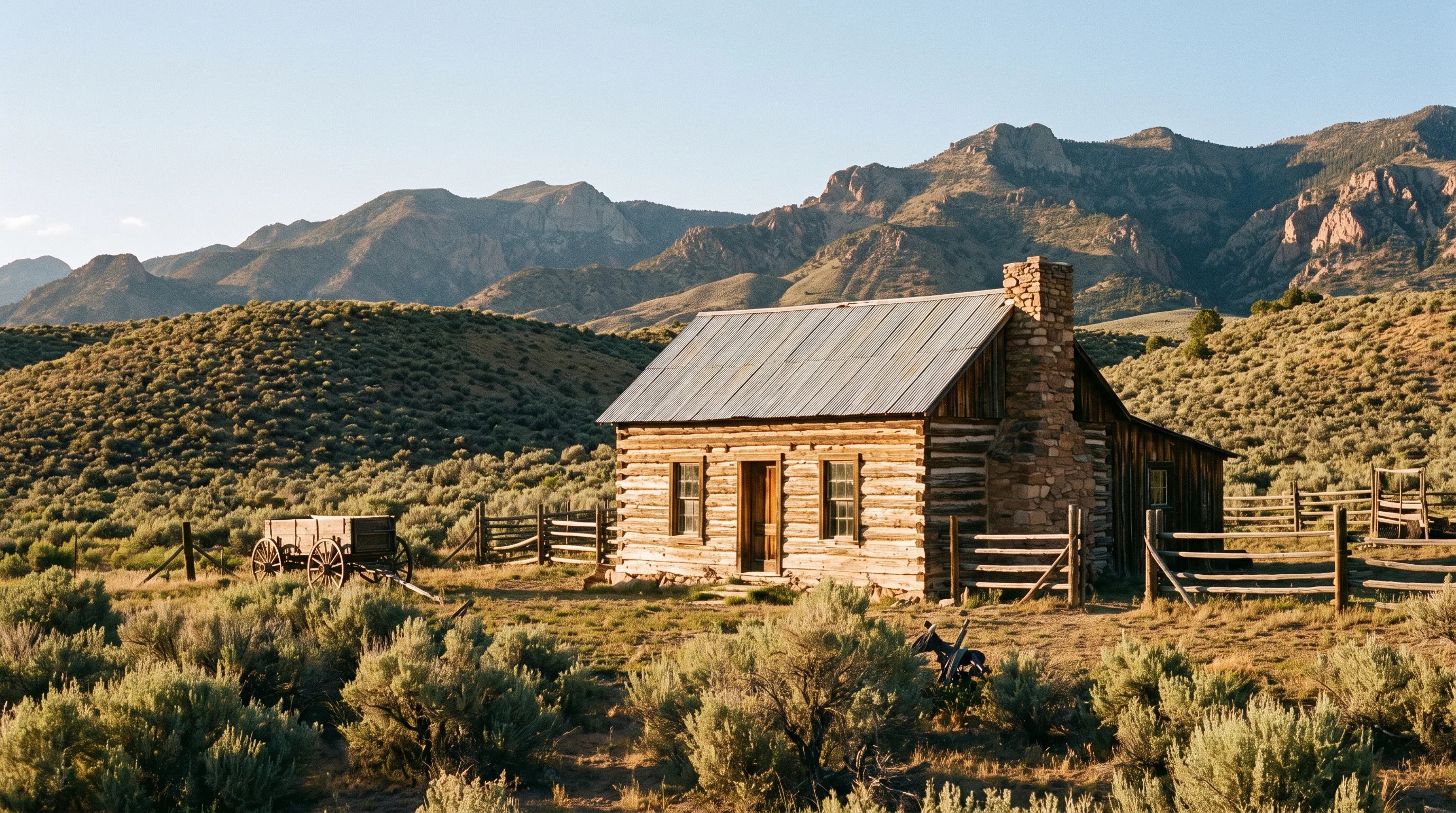
Butch Cassidy Was a Utah Kid: The Beaver-Born Outlaw, His Most Famous Heist, and the Death Nobody Can Prove
Butch Cassidy was born Robert LeRoy Parker in Beaver, Utah Territory, in 1866. Long before he was a Paul Newman role, he was a ranch kid who pulled off the state's most famous payroll heist and vanished into Robbers Roost — and, eventually, into legend.
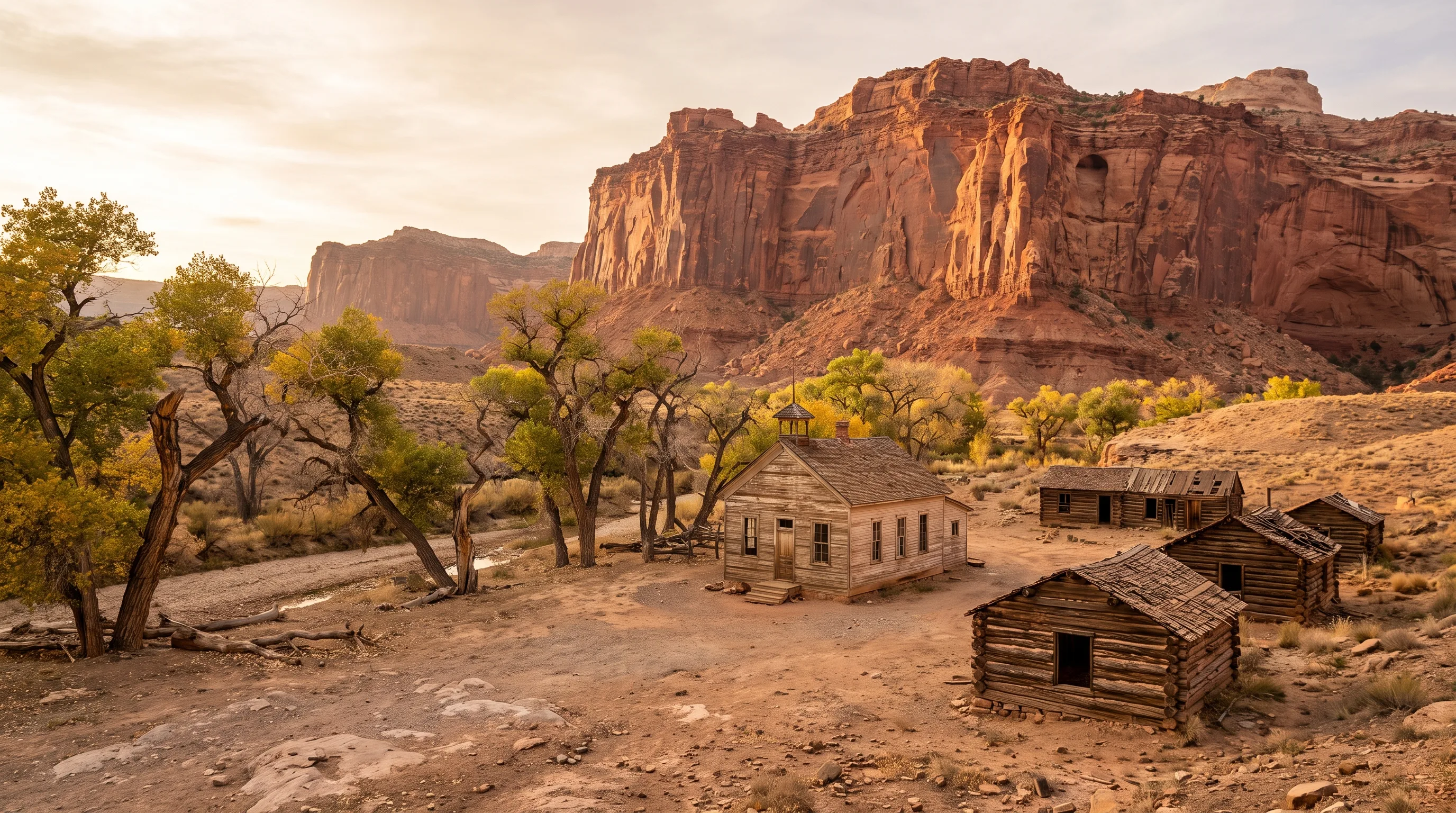
5 Utah Ghost Towns and How Each One Died
Utah has dozens of ghost towns, but five stand out for how different their endings were: Grafton, Silver Reef, Frisco, Thistle, and Iosepa. A flood, a silver-price crash, a mine collapse, a landslide, and a temple announcement that called everyone home.
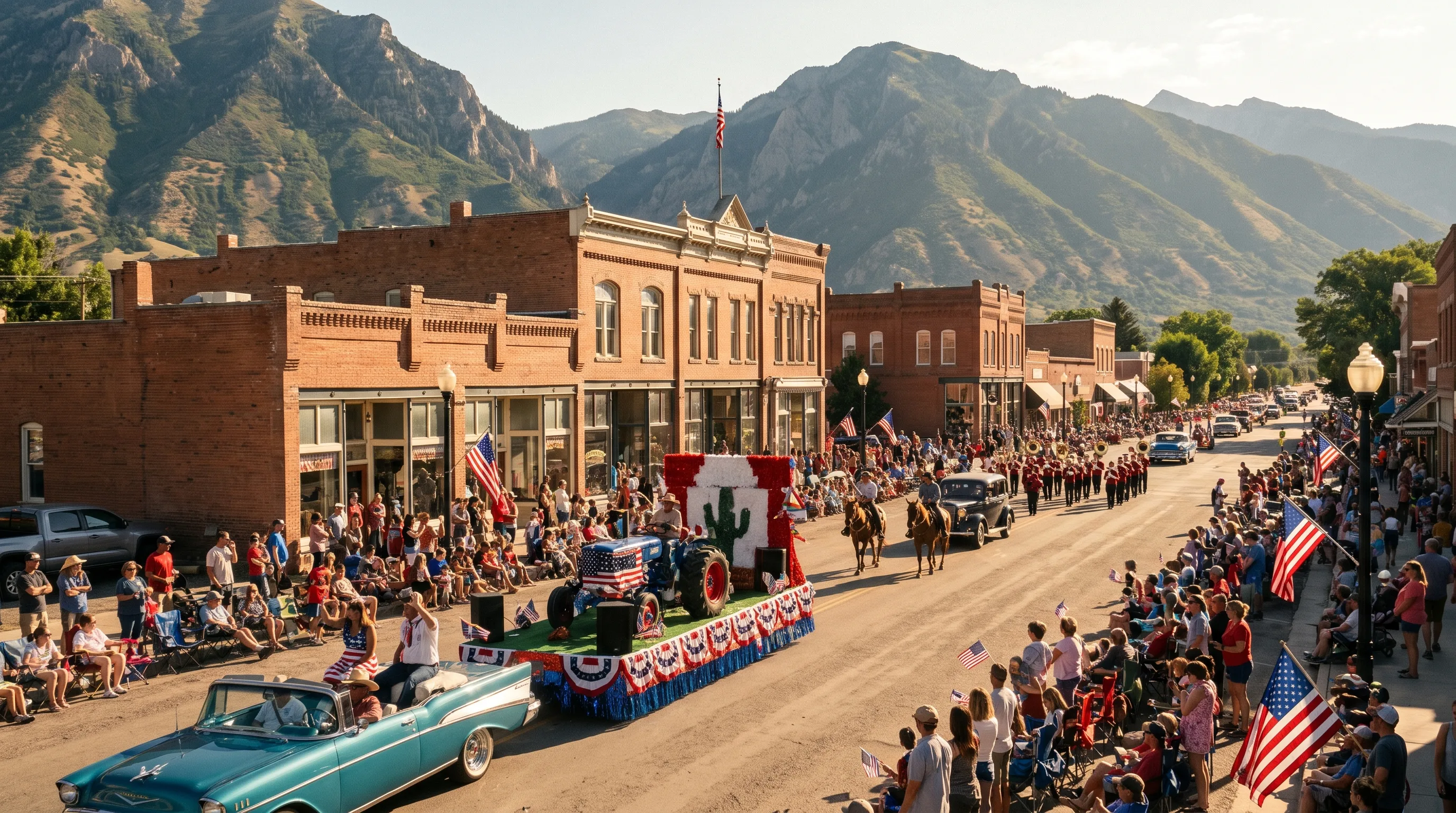
Utah's Food-Named Festivals: A Summer of Strawberries, Onions, Peaches, and Melons
Utah celebrates its harvests by naming a whole weekend after the crop — Strawberry Days, Raspberry Days, Peach Days, Onion Days, Melon Days, Orchard Days. Most of these parties are a century old, and here's the quirk that ties them together: several towns barely grow the fruit anymore.
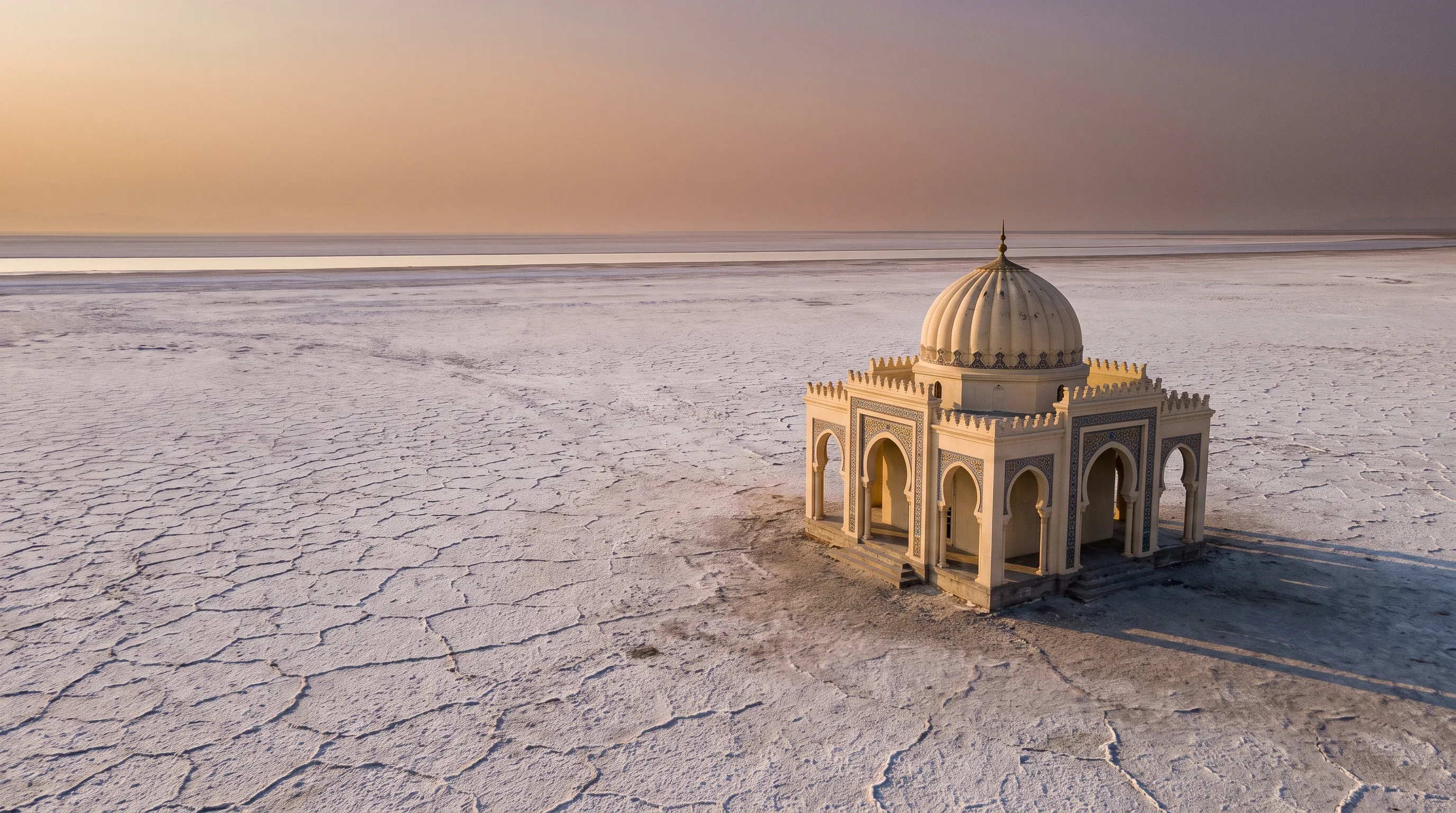
The Great Saltair: How Utah Built a Palace on the Lake, Burned It Down Twice, and Watched the Water Walk Away
The Great Saltair opened in 1893 as the 'Coney Island of the West' and, after two fires and a drowning, survives today as a concert hall standing in dry flats where the Great Salt Lake used to be. Three buildings have carried the name, and the current one started life as an airplane hangar.
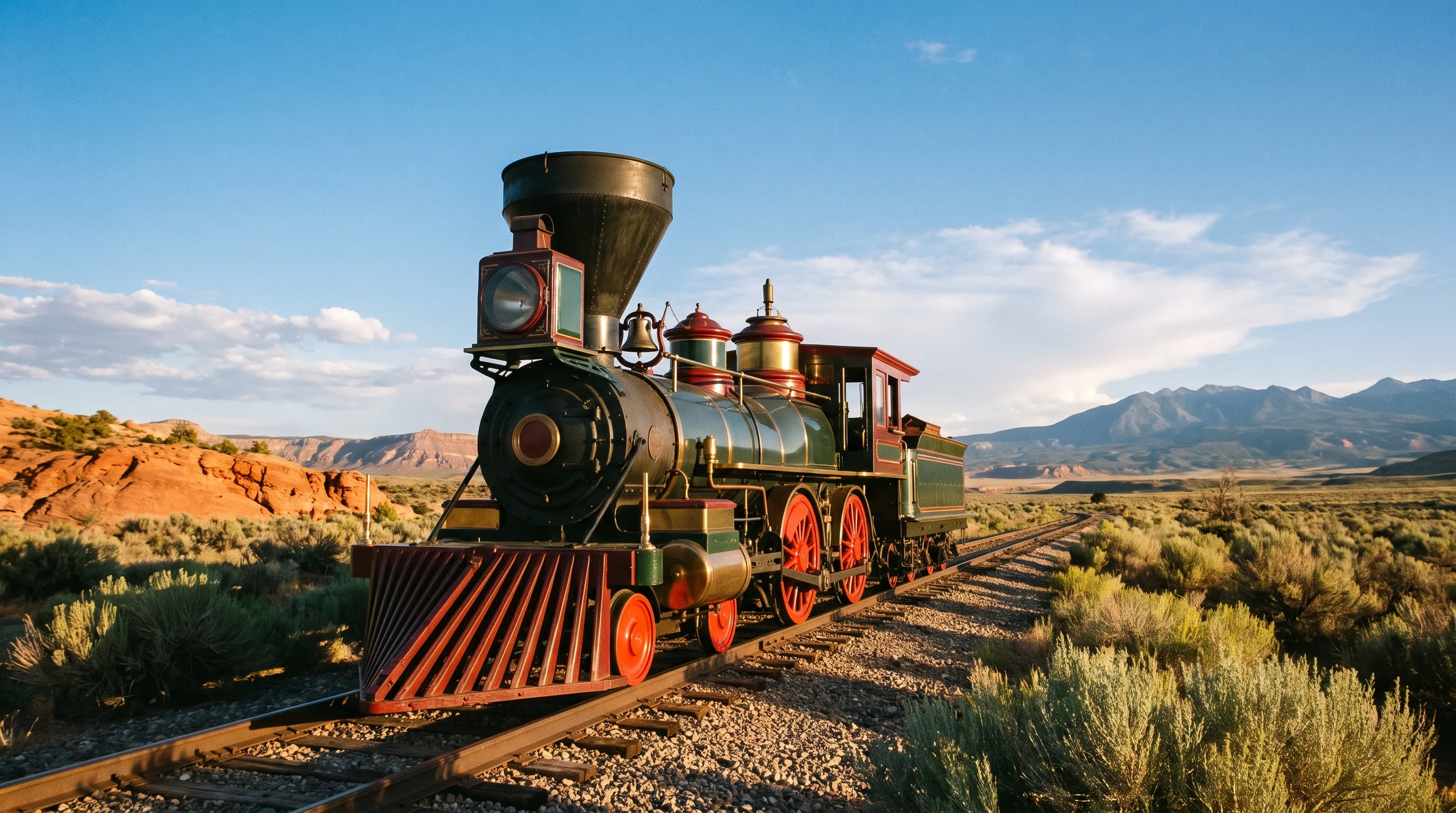
The Golden Spike: Where America's Railroad Was Joined in Utah
The transcontinental railroad was completed at Promontory Summit, Utah, on May 10, 1869. Here's what actually happened that day, what the popular retelling gets wrong, and why you can still hear a steam whistle on the same ground this summer.
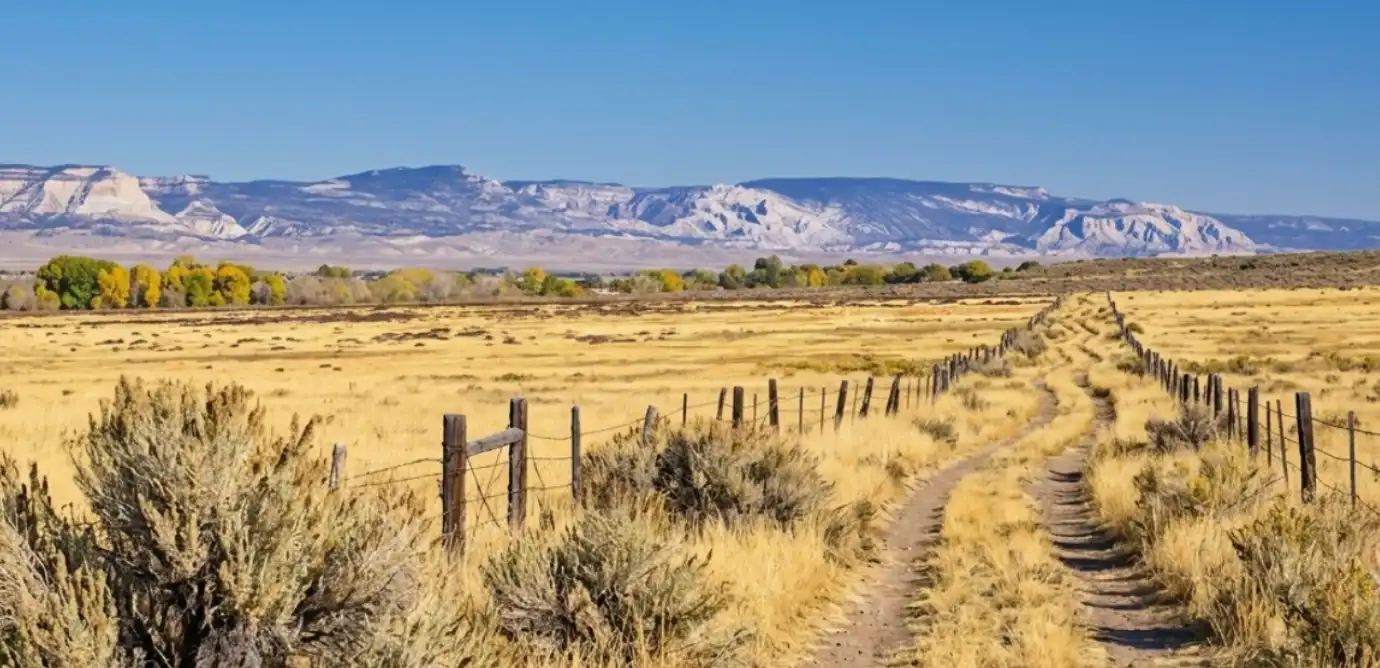
What Is Skinwalker Ranch? The Real History Behind Utah's Strangest 512 Acres
A 512-acre ranch in Utah's Uinta Basin that the Navajo legend named, the Ute won't go near, a billionaire bought to study, and the Pentagon quietly paid $22 million to look at. Here's what's documented — and what's only ever been claimed.
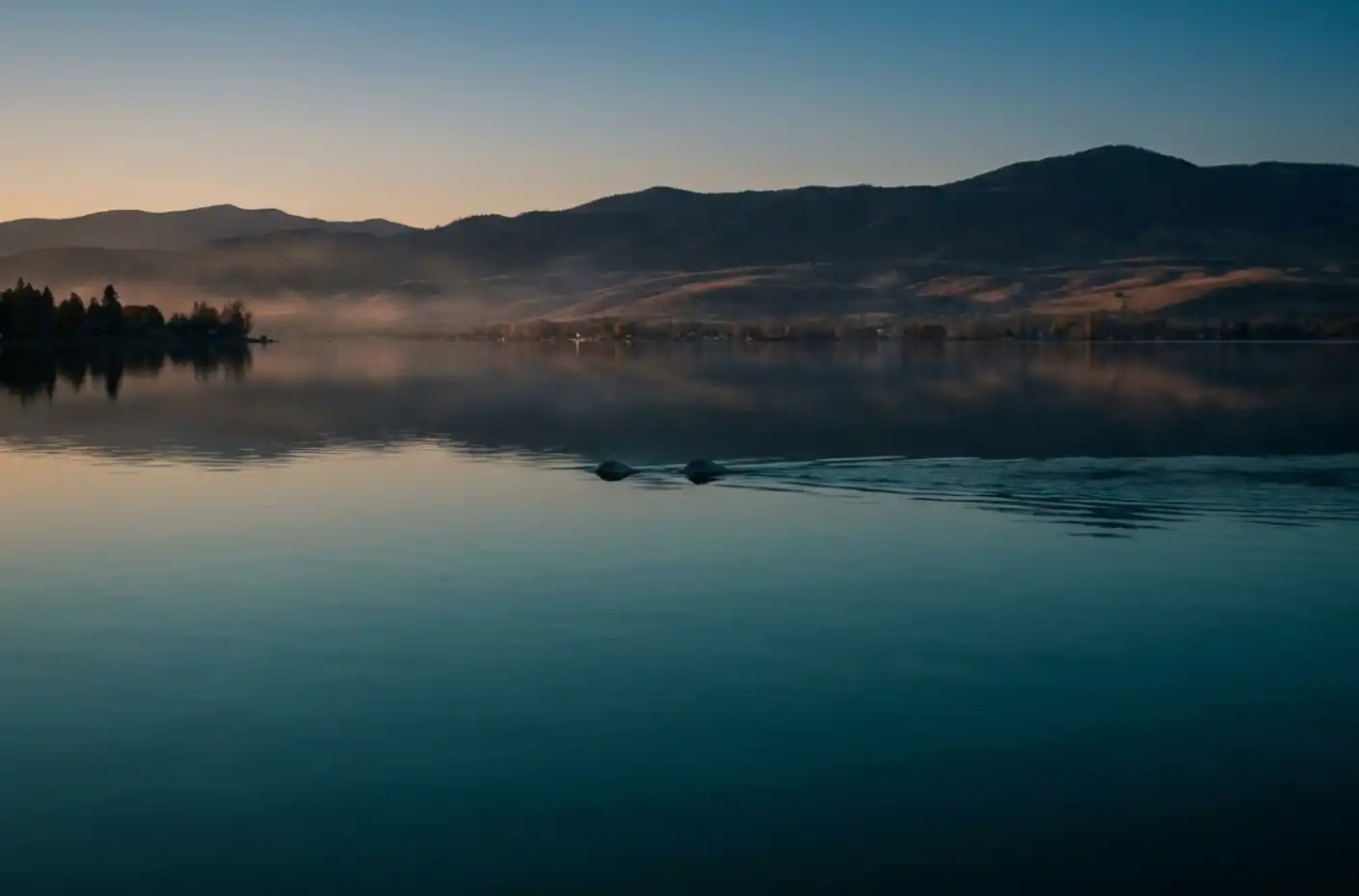
The Bear Lake Monster Was a Hoax — and Utah Has Loved It Anyway for 150 Years
A serpent in the turquoise water on the Utah–Idaho line, invented in an 1868 newspaper letter. The writer confessed it was a 'first-class lie.' The legend never cared.
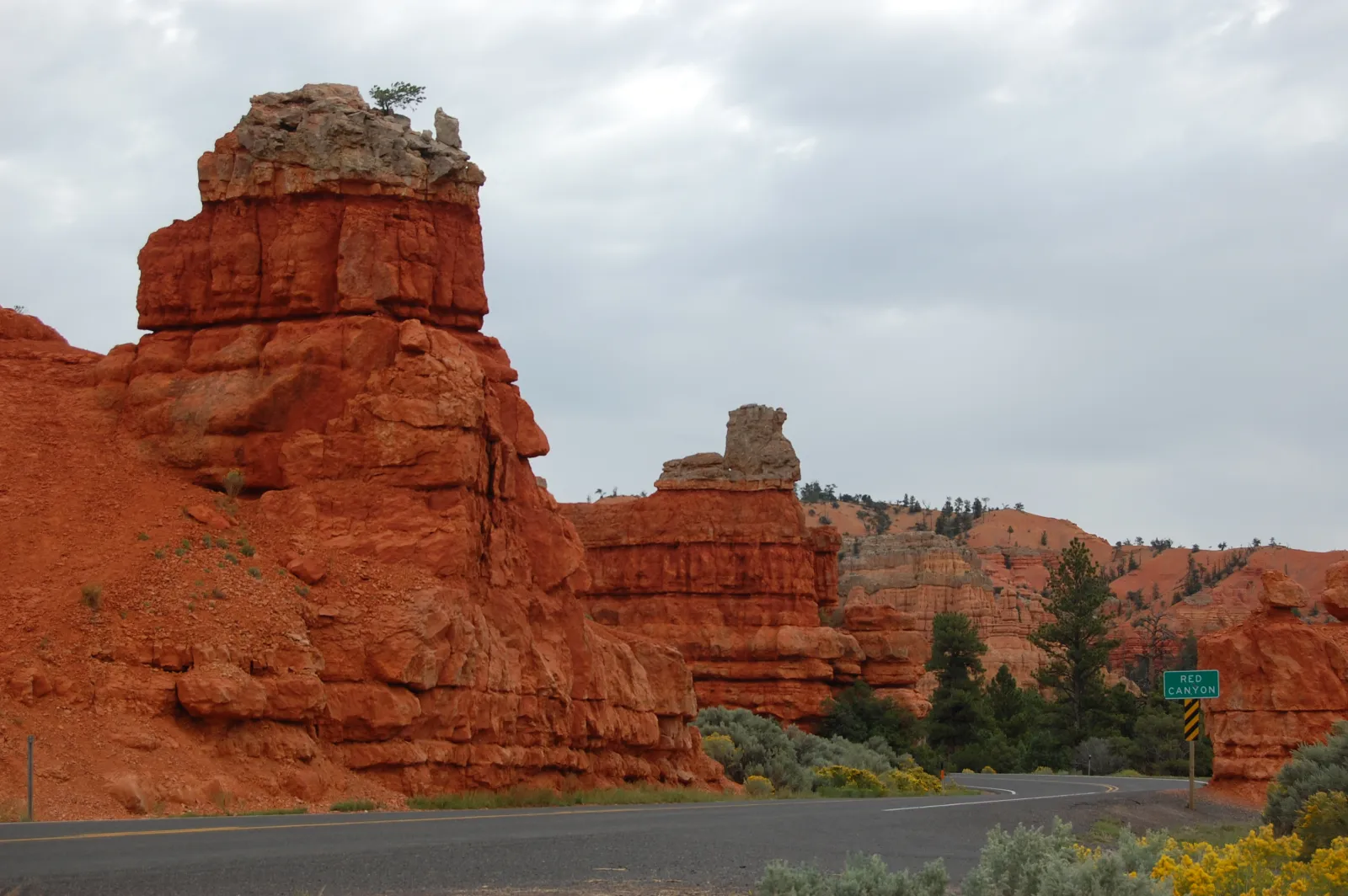
How Utah Towns Got Their Names: 7 Origin Stories, From a Blown-Off Buggy Top to a 500-Book Bribe
Paiute words, the Bible, pioneer surnames, and one stranger who paid for the honor with a library. Seven of Utah's best-documented town-name origins — and how to tell fact from folklore.
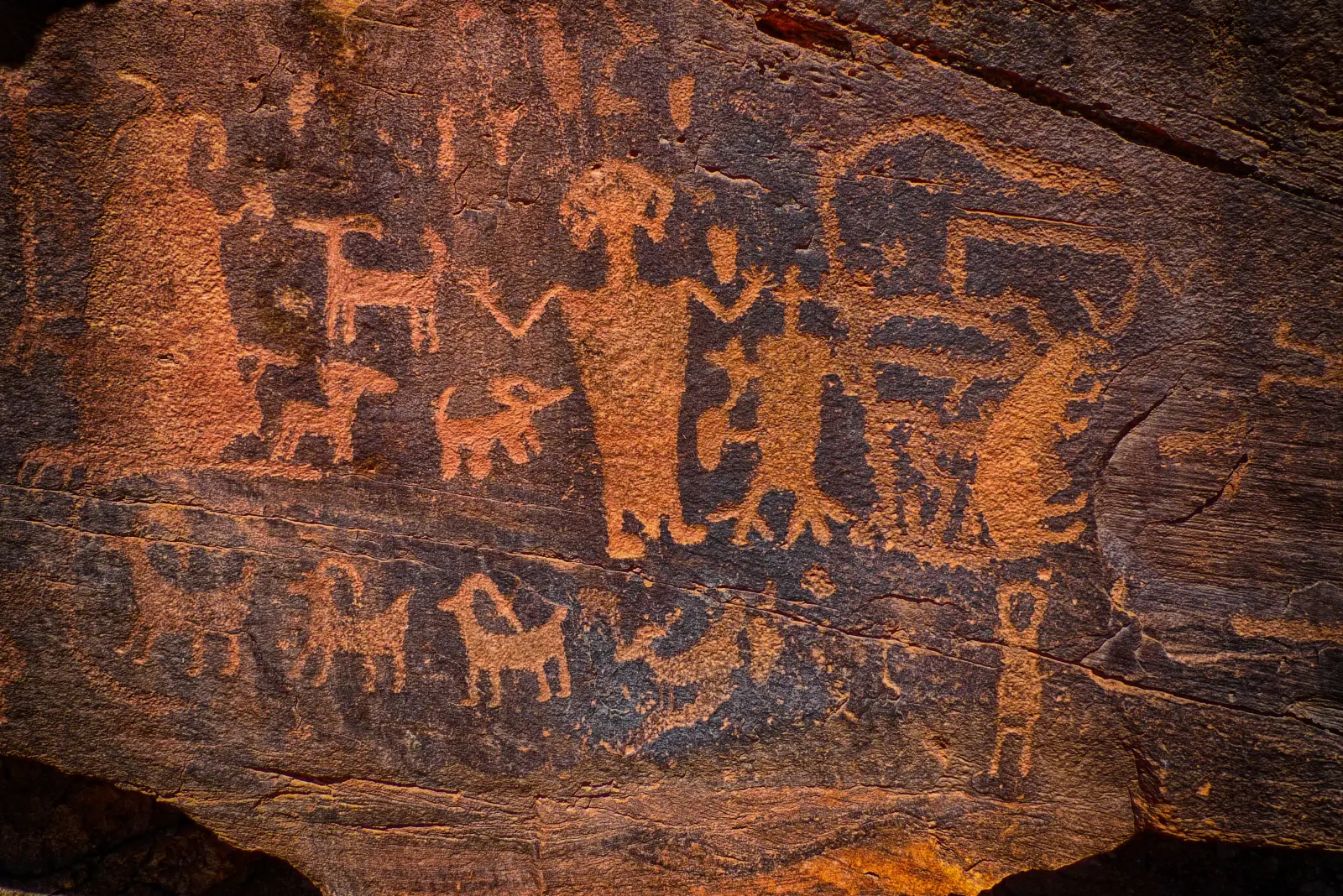
Reading the Rocks: The Fremont Culture of Utah
Deciphering the ancient narratives etched into the canyon walls by those who walked here centuries ago.