Flaming Gorge National Recreation Area centers on a 91-mile reservoir on the Green River, held back by a 502-foot dam near Dutch John, Utah. John Wesley Powell named the gorge in 1869 for the way sunset lit its red cliffs; the original canyon he saw is now submerged. The reservoir holds Utah's record lake trout, nearly 54 pounds, and the cold tailwater below the dam is ranked among the best trout fisheries in the country.
Flaming Gorge is a 91-mile reservoir on the Green River, wrapped in 1,400-foot red cliffs on the Utah–Wyoming border, and it is one of the best places in the state to be cold in summer. The water sits at 6,040 feet, high enough that summer afternoons top out in the high 80s while Salt Lake and St. George bake past 100. Below the dam, the river runs 40 to 60 degrees straight out of the reservoir’s cold bottom. If you have driven past the sign on U.S. 191 and never turned off, this is the piece that talks you into it.
Here is the fast version, then the long one.
The short answer
Flaming Gorge National Recreation Area covers about 201,000 acres of canyon, water, and forest in northeastern Utah and southwestern Wyoming, centered on a reservoir that stretches 91 miles up the Green River. A 502-foot concrete dam near Dutch John, Utah holds it back. The explorer John Wesley Powell named the gorge in 1869 for the way the setting sun lit the red canyon walls on fire. Today it is famous for two things that don’t usually share a zip code: some of the biggest lake trout ever pulled from American water, and a stretch of river below the dam that fly fishers rank among the finest in the country. It’s a four-hour drive from the Wasatch Front, and summer is when it comes alive.
How Flaming Gorge got its name
The name is more than 150 years old and it belongs to John Wesley Powell. In the spring of 1869, the one-armed Civil War veteran launched his expedition down the Green and Colorado Rivers, the first documented passage through much of that canyon country. On May 26, his boats slid into a corridor where the low sun hit the Uinta Mountain sandstone and turned the whole wall a burning orange-red. Powell wrote it down as “Flaming Gorge,” and the name stuck to the canyon, then to the dam, then to the reservoir that drowned the original gorge nearly a century later.
That’s the part worth sitting with. The flaming gorge Powell actually saw is under water now. When the dam closed in the early 1960s, the rising reservoir flooded the narrow canyon that gave the place its name. What you photograph today from Red Canyon Overlook is a different, wider view — blue water where there used to be a river and a slot of red rock. The name outlived the thing it described.
The dam that made the lake
Flaming Gorge Dam is a 502-foot-high thin-arch concrete wall plugging the Green River in the corner of Utah just south of the Wyoming line. Construction started in 1958. Crews placed the last bucket of concrete on November 15, 1962, and the project was finished and dedicated in 1964. Behind it, the reservoir filled slowly over the following years into the 91-mile-long body of water there now — roughly 42,000 acres of surface when it’s full, with about 375 miles of shoreline folding in and out of every side canyon.
To build and run it, the government built a town. Dutch John, Utah went up in 1958 to house the dam workers and their families, one of the last federally constructed company towns in the country. It’s still there, still tiny, and it’s your last real stop for gas, food, and a bed before the dam.
The fish that made it famous
Flaming Gorge is one of the great trophy fisheries in North America, and the numbers back the reputation. The Utah state-record lake trout — the big, deep-water predator anglers call a mackinaw — came out of these waters. A 51-pound, 8-ounce lake trout was caught here in 1968, and that record stood for more than three decades. It finally fell in 2020, when a lake trout of nearly 54 pounds reset the state mark on the same water that set it the first time.
Fish that size don’t happen by accident. The reservoir is deep and cold, its lake trout live a long time, and they eat well. The catch is that a fishery this good can be loved too hard — Utah wildlife managers actively push anglers to keep smaller lake trout to protect the balance that grows the giants. If you’re going for the fish, read the current regulations before you launch, because the rules here are built to keep the record book open.
The other river — the one below the dam
Here’s the part most people miss. The reservoir gets the postcards, but serious anglers come for what happens after the water leaves it. When the Green River pours out the base of Flaming Gorge Dam, it comes from the cold bottom of the reservoir, so it runs clear and emerald and between 40 and 60 degrees all year. That constant cold makes the seven-mile stretch from the dam down to Little Hole one of the most productive trout streams in America — some counts put it at eight to fourteen thousand trout per mile.
You can wade it, drift it, or hike the riverside trail along it. The water is so clear you can watch fish refuse your fly, which is either the best or the worst thing about it depending on your morning. This is the tailwater that shows up on “best trout rivers in the country” lists, and it’s a short drive below the dam that made it.
Where to stand for the best view
Red Canyon Overlook is the shot. A short paved road off Utah Highway 44 ends at a rim where the cliffs drop roughly 1,400 feet straight to the blue water below. There’s a small visitor center, a rim trail, and a view that does the emotional work of the whole recreation area in one frame — layered red sandstone, dark green pine, and the reservoir threading through the bottom of the canyon. Go in late afternoon, when the light does to the walls exactly what it did for Powell.
For a slower, stranger view, drive the Sheep Creek Geological Loop. It’s a 13-mile road just west of the main highway that cuts through the Sheep Creek Canyon Geological Area, where the Uinta Fault has shoved and folded the rock into layers reading back nearly 800 million years. Bighorn sheep — the ones the creek is named for — work the cliffs. It’s the geology lesson you didn’t know you wanted, delivered from your car.
Why summer is the season
The high country around Flaming Gorge is where northern Utah goes when the valleys stop being livable. At 6,040 feet, the reservoir stays in the high 80s through the hottest part of summer, with nights that drop thirty degrees. The tailwater below the dam never breaks 60. When valley heat pushes past 100, “drive four hours north and get in cold water” is a real answer, not a slogan.
Summer is also when everything is open and running: the marinas, the boat ramps, the outfitters in Dutch John, the campgrounds along the rim. Come September the aspens along Sheep Creek turn and the crowds thin, which is its own argument. But if you want the water warm enough to swim off a boat and the whole recreation area awake, summer is the window.
Frequently Asked Questions
How did Flaming Gorge get its name? add
John Wesley Powell named it in 1869 during his expedition down the Green River, after watching the setting sun light the red canyon walls a burning orange. The original gorge he named is now under the reservoir.
How far is Flaming Gorge from Salt Lake City? add
About four hours by car — roughly 210 miles to the dam and visitor center by way of Vernal on U.S. 40 and U.S. 191. From most of Utah the fastest routes cross into Wyoming and back.
What is the Utah state record lake trout? add
The state record was long held by a 51-pound, 8-ounce lake trout caught at Flaming Gorge in 1968. It was broken in 2020 by a fish of nearly 54 pounds — also from Flaming Gorge.
Can you fish the Green River below Flaming Gorge Dam? add
Yes, and it's the reason many anglers come. The tailwater from the dam down to Little Hole runs cold and clear year-round and holds thousands of trout per mile. It's rated among the best trout fisheries in the country.
Keep Exploring
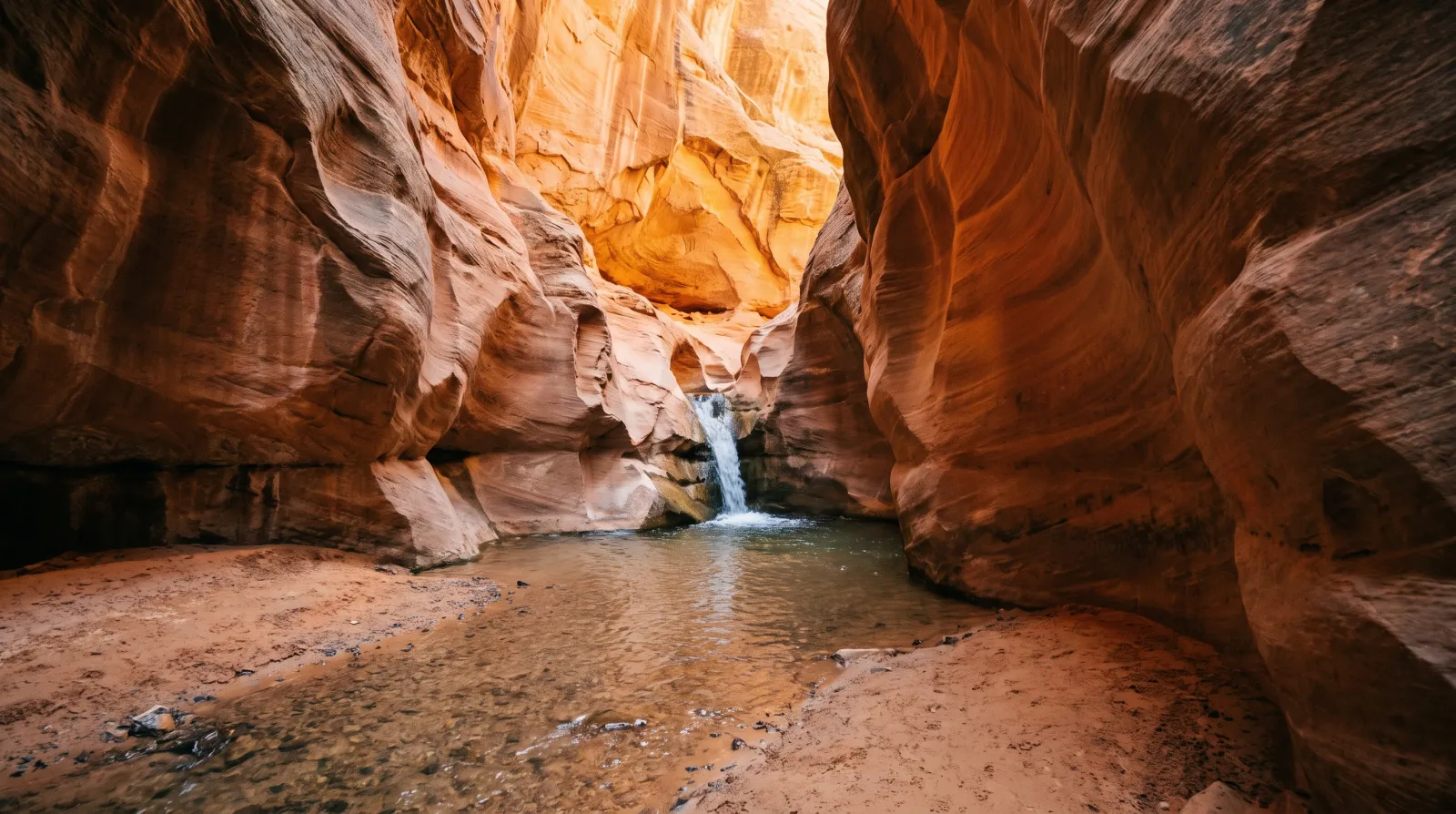
You Need a Permit to Hike Kanarraville Falls — Here's Everything to Know Before You Go
Kanarraville Falls is a year-round slot-canyon wade to a 20-foot waterfall south of Cedar City. The town requires an online permit, sells out weeks ahead in summer, and flew the trail's new staircase in by helicopter.
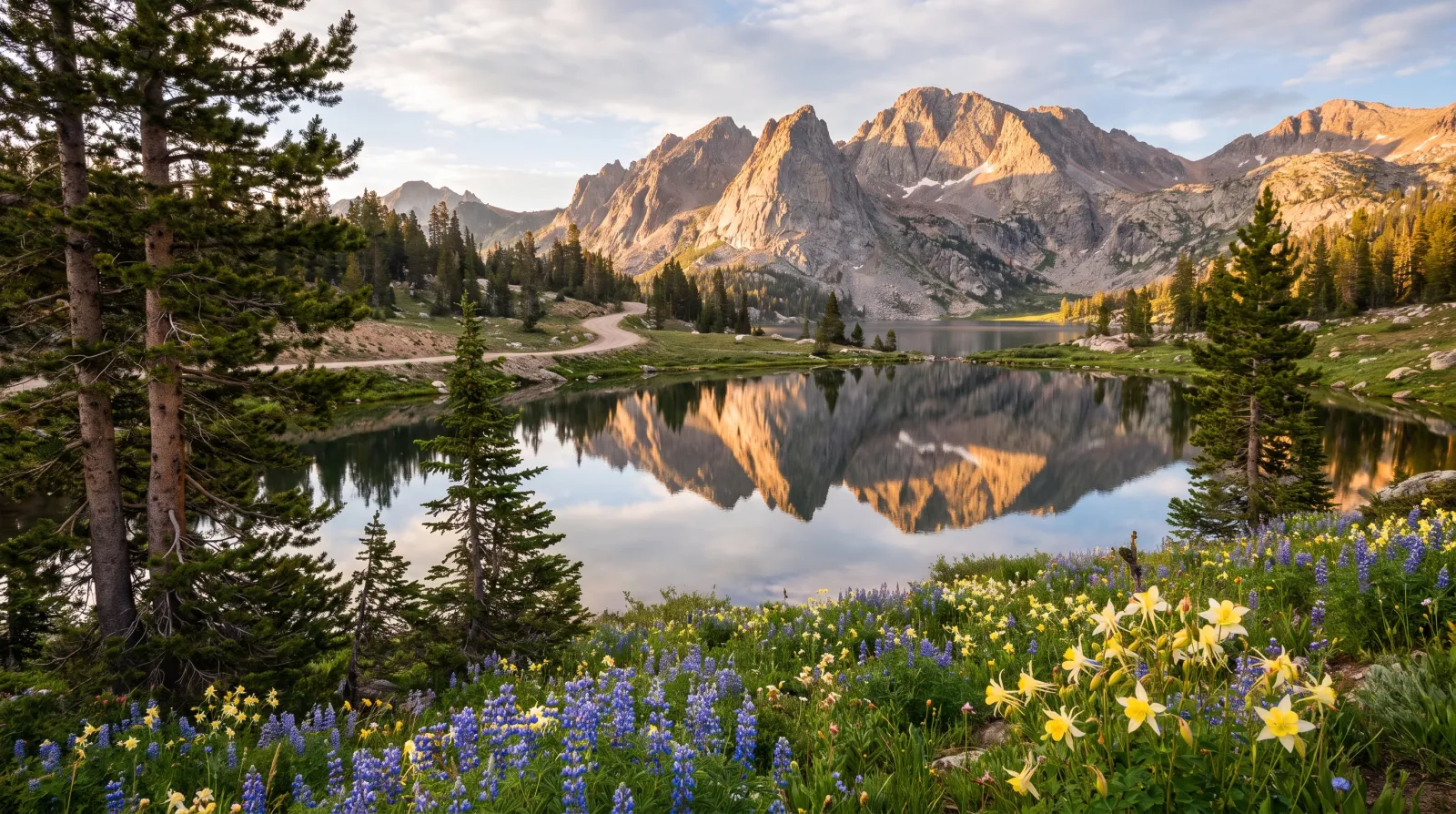
The Mirror Lake Highway: Utah's Highest Paved Escape From the Summer Heat
State Route 150 climbs out of Kamas to Bald Mountain Pass, 10,715 feet, the highest paved road in Utah. The air runs 25 to 30 degrees cooler than the valley, and it opens onto a glacier-carved basin holding more than a thousand alpine lakes.
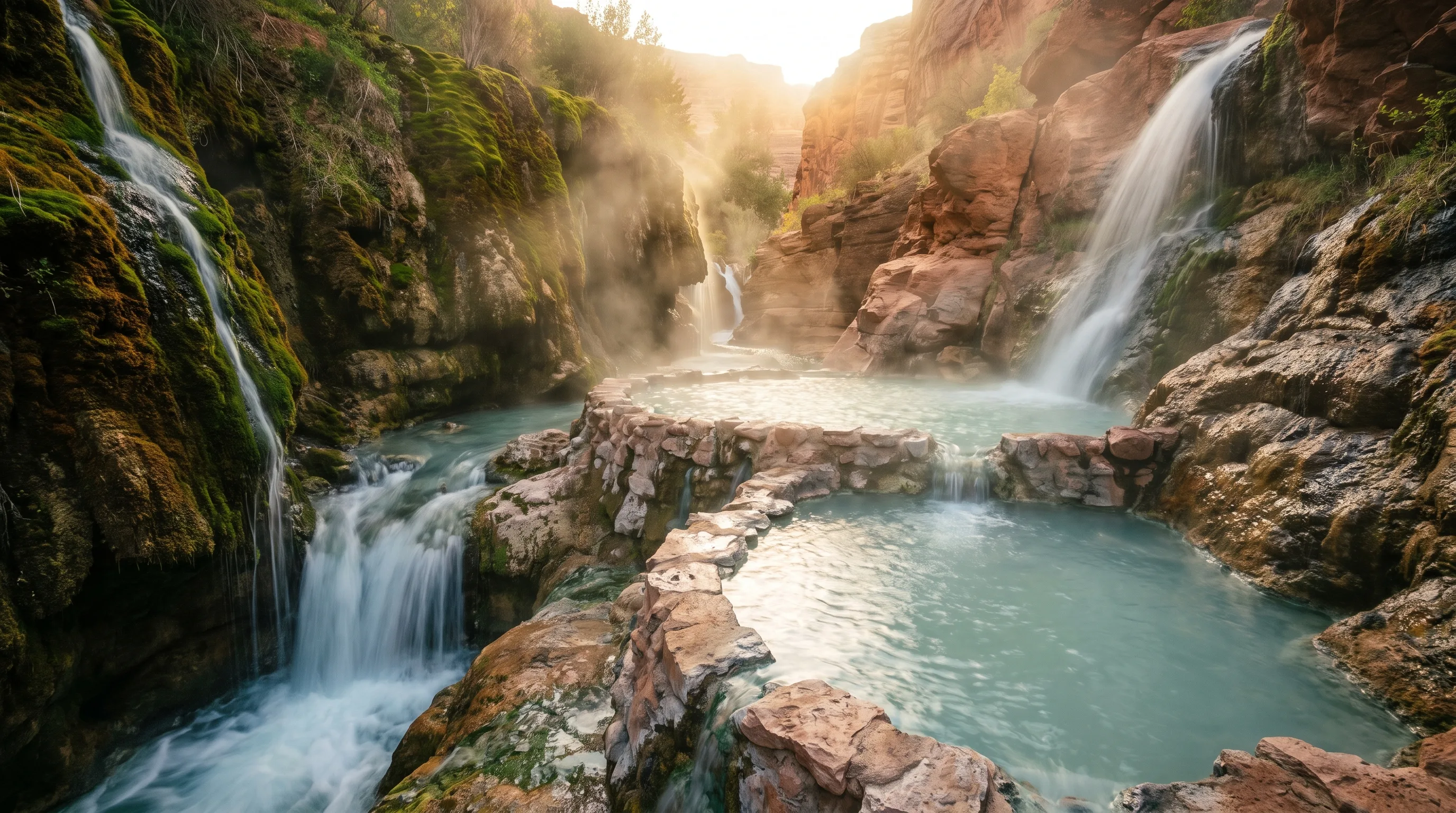
The Best Hot Springs in Utah: 6 Soaks, From a Hike-In Canyon Pool to a 65-Foot Geothermal Dome
The best hot springs in Utah are Fifth Water for the hike, Mystic in Monroe for the vintage-bathtub experience, Crystal in Honeyville for the mineral water and the kids, Homestead Crater for soaking inside a limestone dome, and Red Hill and Meadow for free, no-frills soaks.