The Best Hot Springs in Utah: 6 Soaks, From a Hike-In Canyon Pool to a 65-Foot Geothermal Dome
By Utah Untamed Editorial · Published
Utah's best hot springs range from a 4.5-mile hike-in canyon soak at Fifth Water (Diamond Fork) to reservation-only resorts like Mystic in Monroe, Crystal in Honeyville, and Homestead Crater in Midway, plus free landowner-access soaks at Red Hill and Meadow. Water temperatures run from the low 90s to well over 100 degrees depending on the spring, and access rules vary from first-come to reservation-only.
The best hot springs in Utah are Fifth Water (Diamond Fork) for the hike, Mystic Hot Springs in Monroe for the vintage-bathtub experience, Crystal Hot Springs in Honeyville for the mineral water and the kids, Homestead Crater in Midway for soaking inside a limestone dome, and Red Hill and Meadow for free, no-frills soaks. Which one is right for you comes down to a single question: do you want to earn the soak with a hike, or drive up and sink in?
Utah’s geology runs hot. The same restless crust that pushed up the Wasatch and cracked open the canyon country also pipes geothermally heated water to the surface in dozens of places across the state. Some of those springs sit on resort land with changing rooms and a reservation system. Others are a rock pool at the top of a canyon trail, free and first-come. Here is how the six worth your time actually compare, and what each one is good for.
Fifth Water Hot Springs (Diamond Fork) — best for the hike
If you only do one Utah hot spring, make it this one. Fifth Water, also called Diamond Fork Hot Springs, sits at the top of a canyon trail east of Spanish Fork, roughly 90 minutes south of Salt Lake City off U.S. 89. The payoff is a string of rock-walled pools fed by mineral water that runs milky blue and green, stacked one above the other beside a waterfall.
You earn it. The hike from the Three Forks trailhead runs about 4.5 miles round trip in summer with around 700 feet of elevation gain, following Sixth Water Creek up through the canyon and past several small waterfalls. It is rated moderate. The catch is seasonal: when the access road closes in winter, the round trip stretches to roughly 7.5 miles because you add the road walk on each end. Late June through early fall is the sweet spot, with the road open and the creek crossings easy.
Two honest warnings. The pools carry a faint sulfur smell, which is normal for a mineral spring, and the trail is popular enough on summer weekends that solitude is not on the menu. Go on a weekday or go early.
Mystic Hot Springs (Monroe) — best for the experience
Mystic is the one people photograph. On a hillside above Monroe in central Utah, mineral water has built up rust-orange travertine mounds over decades, and the owners set vintage cast-iron clawfoot bathtubs right into the rock so each tub fills from the spring. There are also two larger soaking pools. Water temperatures run from about 99 to 110 degrees depending on the tub.
This is a reservation-only operation, and it sells out. A soaking pass runs around $25 for a two-hour slot, with public soaking hours generally Friday through Sunday, and slots tend to book one to two weeks out. Mystic leans into a music-and-art camp identity, with on-site lodging in restored pioneer cabins and old buses, so it works as an overnight as much as a soak. Reserve ahead through the resort before you make the drive.
Crystal Hot Springs (Honeyville) — best for mineral water and families
Up north near Honeyville, Crystal Hot Springs pairs a hot mineral spring with a cold spring side by side, which lets the resort feed pools across a wide range of temperatures so you can pick your heat. The source water is genuinely hot, measured between roughly 120 and 134 degrees before it is mixed down to soaking range.
The resort promotes Crystal as having one of the highest mineral concentrations of any hot spring in the world, and whether or not that exact claim holds, the water is unmistakably mineral-dense. With a swimming pool, soaking pools, a couple of waterslides in season, and camping on site, this is the most family-friendly soak on the list and the easiest to reach for anyone coming from the Logan or Brigham City side of the state.
Homestead Crater (Midway) — best for soaking inside the earth
This one is unlike anything else in Utah. In Midway, in the Heber Valley, a 55-foot limestone dome rose up over thousands of years as mineral-rich water cooled and deposited rock around a hot spring. The result is a hollow beehive of stone with a warm pool inside, around 65 feet deep, holding water in the low-to-mid 90s year-round.
You soak, snorkel, or even scuba dive inside the crater, with daylight pouring through an opening in the top of the dome. Because it stays warm in every season, it is the obvious cold-weather pick, and it runs by reservation through the Homestead Resort, with soaking rates in the mid-teens per person. Time slots are capped, so book before you go.
Red Hill Hot Springs (Monroe) — best free soak
A few minutes from Mystic, Red Hill is the quieter, free alternative, set on a low rise ringed by red rock just outside Monroe. There are several pools at different temperatures, so you can move until you find your match. The land is privately owned, and the owners have allowed public access at no charge.
That generosity is the whole reason it stays open, so treat it accordingly: pack out everything, keep it clean, keep it low-key. Free access at a spot like this lasts exactly as long as visitors respect it.
Meadow Hot Springs (Meadow) — best blue-water soak, if it’s open
South of Fillmore near the town of Meadow, three spring pools sit out in open ranch country, and the main one drops into startlingly clear, deep blue water that has made it a longtime favorite. It is on private property, opened to the public by the landowner, historically with a small donation.
Access here is the real variable. Heavy traffic and careless visitors have strained the arrangement over the years, and because it depends entirely on the owner’s goodwill, the rules and even the open-or-closed status can change. Check current local access before you build a trip around it, and if you do go, be the kind of visitor who keeps the gate open for the next one.
A last bit of trail sense for the wild soaks: the natural pools are unmonitored, temperatures shift, and the rock can be slick. Test the water before you drop in, never dunk your head in untreated spring water, and pack out everything you carry up. The springs that stay open are the ones people leave better than they found them.
Frequently Asked Questions
What is the best hot spring in Utah? add
For most people it's Fifth Water (Diamond Fork) — a moderate canyon hike to milky blue pools beside a waterfall. If you'd rather not hike, Mystic Hot Springs in Monroe and Homestead Crater in Midway are the standout developed options.
Are there free hot springs in Utah? add
Yes. Red Hill Hot Springs near Monroe is free and open to the public on private land, and Meadow Hot Springs has historically been donation-based, though Meadow's access can change without notice. Fifth Water is free to soak once you reach the trailhead.
How hot is the water at Utah's hot springs? add
It varies by spring. Mystic's tubs run about 99 to 110 degrees. Homestead Crater holds in the low-to-mid 90s. Crystal Hot Springs' source water is far hotter, roughly 120 to 134 degrees, and gets mixed with cold spring water down to a comfortable soak.
Do Utah's hot springs require a reservation? add
For Mystic Hot Springs, Homestead Crater, and Crystal Hot Springs, yes — book ahead, since the first two cap time slots and Mystic routinely sells out a week or more in advance. Fifth Water, Red Hill, and Meadow are first-come.
Keep Exploring
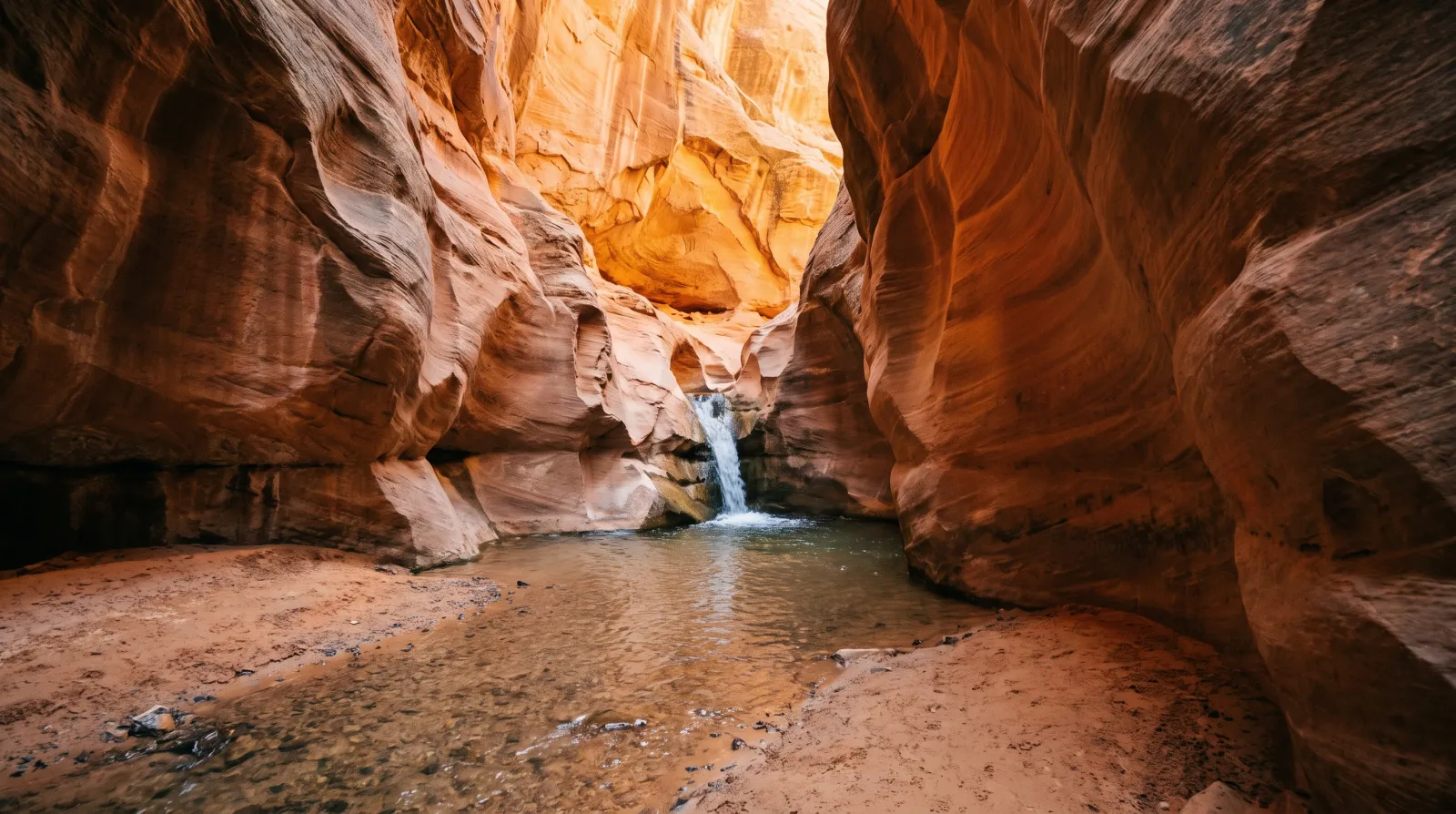
You Need a Permit to Hike Kanarraville Falls — Here's Everything to Know Before You Go
Kanarraville Falls is a year-round slot-canyon wade to a 20-foot waterfall south of Cedar City. The town requires an online permit, sells out weeks ahead in summer, and flew the trail's new staircase in by helicopter.
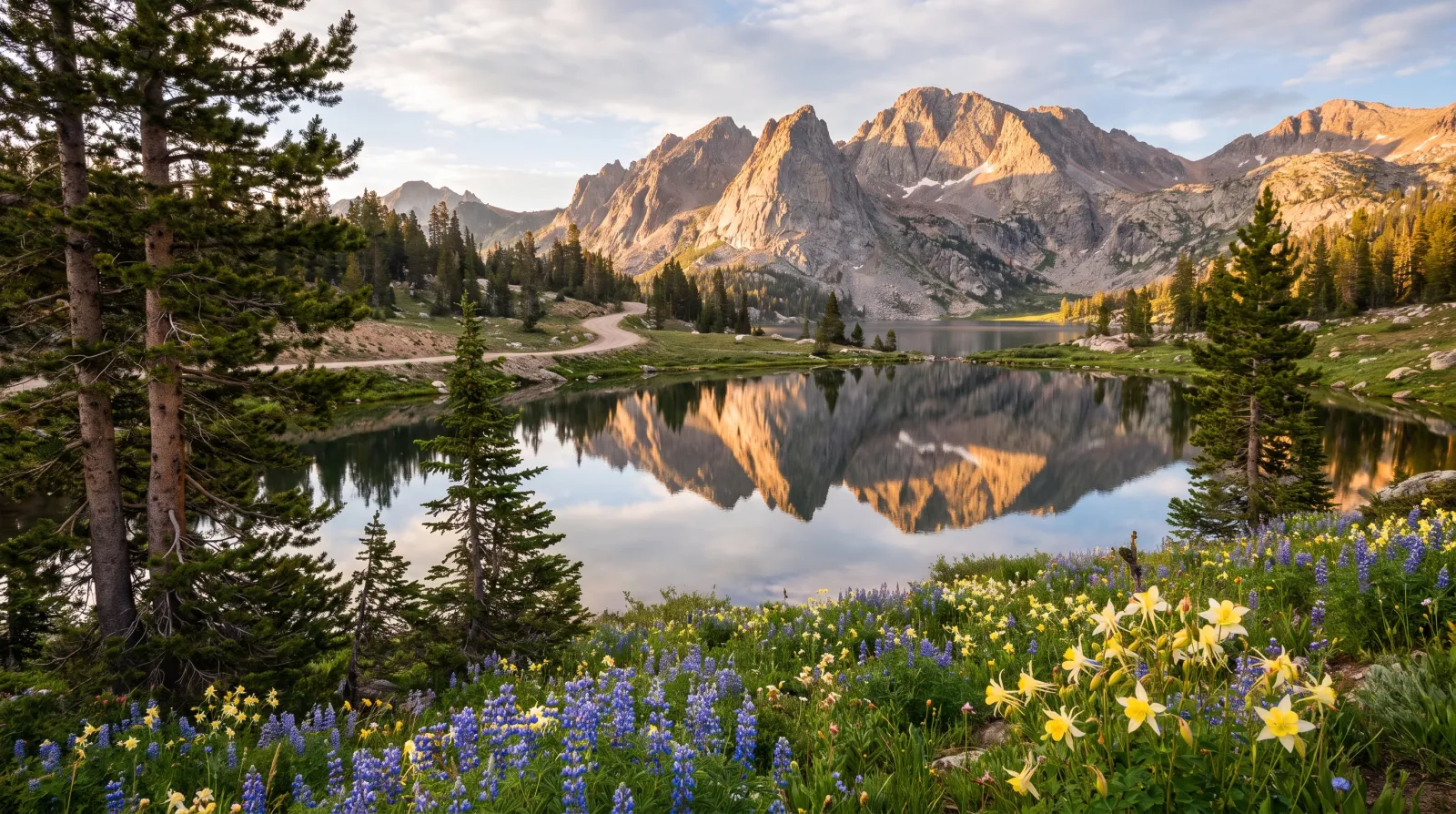
The Mirror Lake Highway: Utah's Highest Paved Escape From the Summer Heat
State Route 150 climbs out of Kamas to Bald Mountain Pass, 10,715 feet, the highest paved road in Utah. The air runs 25 to 30 degrees cooler than the valley, and it opens onto a glacier-carved basin holding more than a thousand alpine lakes.
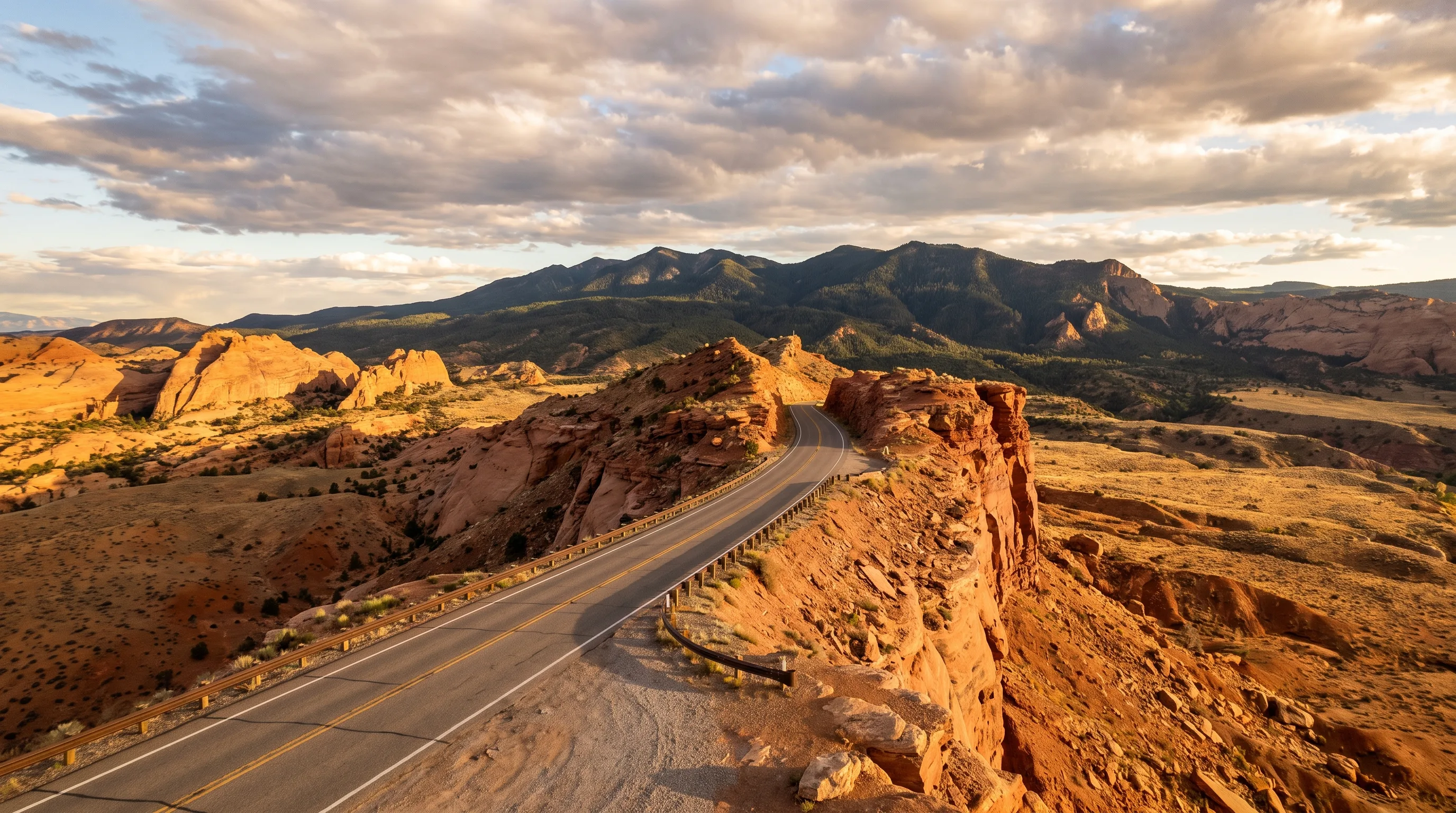
The 4 Best Scenic Drives in Utah — and Exactly What Each One Is For
Mirror Lake Highway, the Alpine Loop, the Nebo Loop, and Scenic Byway 12 climb from juniper desert into alpine country, each good for something different. Three spend most of the year buried in snow and only open from late spring into fall — here's what each drive is actually best for.