Where to See Utah's Alpine Wildflowers This Summer (and the Simple Rule for Timing the Bloom)
By Utah Untamed Editorial · Published
Utah's alpine wildflowers follow one rule: elevation sets the clock. Low foothills peak in May and June; meadows above 8,000 feet peak from mid-July into early August. The three anchor destinations are Tony Grove Lake above Logan Canyon, Albion Basin at the top of Little Cottonwood Canyon, and Cedar Breaks National Monument at over 10,000 feet, which runs its own Wildflower Festival each July.
Utah’s best wildflower meadows bloom from late June through early August, and the higher you climb, the later they peak. That single rule — elevation sets the clock — is all you need to time a trip. The low foothills go off first in May and June; the alpine basins above 8,000 feet hit their stride in mid-July and hold into early August. Chase the snowline uphill and you can stretch wildflower season across most of the summer.
Here is where to point the car, what’s blooming, and how to read the season so you arrive at the right meadow on the right week.
The elevation rule, in one paragraph
Wildflowers follow the melting snow. As the snowpack retreats up the mountain through June and July, the bloom follows it, opening in a wave that climbs roughly a thousand feet every week or two. A meadow at 6,500 feet might peak in June; the same flowers at 10,000 feet won’t reach their best until mid-July or later. A heavy snow year pushes everything back; a dry, warm spring pulls it forward. If the valley flowers are already fading, don’t mourn the season — just drive higher. The bloom you missed downhill is still climbing toward the peaks.
Tony Grove Lake — northern Utah’s wildflower powerhouse
In the Bear River Range above Logan Canyon, Tony Grove Lake sits at about 8,050 feet, and the steep, narrow canyon around it traps cool air that keeps the meadows lush. The payoff is one of the densest displays in the state: geraniums, paintbrush, columbine, lupine, daisies, and mountain sunflowers carpeting the slopes around the lake. Peak runs from mid-July into early August.
You don’t have to earn it with a hard climb. The Tony Grove Nature Trail is a 1.2-mile loop with only about 60 feet of elevation gain, one of the most accessible great wildflower walks in Utah — doable with kids, doable in trail shoes. The lake itself is the reward at the center: a clear alpine pool ringed by granite and flowers. Get there in the morning. The parking area fills, and the light is better for photos before midday.
Albion Basin — the famous one, and worth the crowd
At the very top of Little Cottonwood Canyon, past the Alta ski lifts, Albion Basin is the wildflower destination most Utahns name first, and the reputation is earned. More than 120 species fill the high meadows here, and from mid-July into early August the basin turns into a wall of color beneath the Wasatch peaks.
Access takes a little planning. The Summer Road past Alta opens around June 20 each year, conditions permitting, and there’s a $12 amenity fee to drive it. Parking is genuinely limited, so the town of Alta runs a free shuttle to the basin — use it, especially on weekends, or arrive early enough to beat the crowd. The signature hike is the Cecret Lake Trail, a short interpretive route from the Albion Basin Campground that ends at a small alpine lake with the meadows draped all around it. It’s busy for a reason. Come on a weekday morning if you can, stay on the trail to protect the very flowers you came for, and the basin still delivers.
Cedar Breaks — bloom at 10,000 feet, with a festival to match
Three hours south, Cedar Breaks National Monument runs the highest-elevation show in this guide. The rim sits above 10,000 feet on the Markagunt Plateau, and more than 250 wildflower species grow across its alpine and marshy meadows — Colorado columbine, aspen bluebells, elkweed, Indian paintbrush, sunflowers, and yellow evening primrose among them. Because it’s so high, the bloom peaks in the first two weeks of July and holds toward early August, a beat behind the lower meadows up north.
The monument leans into it. The 2026 Cedar Breaks Wildflower Festival runs July 3 through July 11. Rangers lead free wildflower walks daily at 10:30 AM (with an extra walk at 2:00 PM on Saturdays); you register in person, same day, at the Visitor Center information desk. There’s a daily ranger talk at 1:30 PM at the Point Supreme Overlook, interactive partner booths at the Visitor Center Plaza on Fridays and Saturdays, a wildflower bingo scavenger hunt, and the “Blooms of the Breaks” art contest taking submissions July 1–31. Pair the flowers with the amphitheater — the orange-and-red hoodoo bowl that gives Cedar Breaks its name — and you get one of the best high-summer days in the state.
More meadows worth the drive
These three are the anchors, but the elevation rule works everywhere. The high passes and basins of the central Wasatch above the Cottonwood and Park City ridgelines, the Uinta high country along the Mirror Lake Highway, and the alpine flanks of Mount Timpanogos all bloom on the same late-July schedule. The principle holds: find a meadow above 8,000 feet, check whether the access road has melted out, and time your visit to mid-July or later. The higher you go, the longer the season lasts.
How to see them well, and leave them for the next person
Go in the morning. Wind picks up and light flattens by afternoon, and the popular trailheads fill fast. Bring a layer even in July — at 10,000 feet a sunny meadow can turn cold the moment a cloud crosses, and Cedar Breaks gets afternoon thunderstorms. And stay on the trail. Alpine meadows are fragile and the growing season is brutally short; a single footprint off-path can scar a patch of flowers for years. Don’t pick them, don’t trample for the photo. The whole point is that the next person rounds the bend and sees the same wall of color you did.
Frequently Asked Questions
When do Utah's wildflowers bloom? add
Roughly May through August statewide, but it depends entirely on elevation. Low foothills peak in May and June; alpine meadows above 8,000 feet peak from mid-July into early August. A heavy snow year or a warm spring can shift timing a week or two either way.
Where is the best wildflower hike near Salt Lake City? add
Albion Basin, at the top of Little Cottonwood Canyon about an hour from downtown. The Cecret Lake Trail is the signature walk. The Summer Road opens around June 20 with a $12 fee, parking is limited, and Alta runs a free shuttle on busy days.
When is the Cedar Breaks Wildflower Festival in 2026? add
July 3 through July 11, 2026, at Cedar Breaks National Monument near Cedar City. Free ranger-led wildflower walks run daily at 10:30 AM, with extra programming and an art contest through the month.
What's the easiest wildflower walk in northern Utah? add
The Tony Grove Nature Trail in Logan Canyon — a 1.2-mile loop with about 60 feet of gain at 8,050 feet, ringing an alpine lake. Peak bloom is mid-July to early August.
Keep Exploring
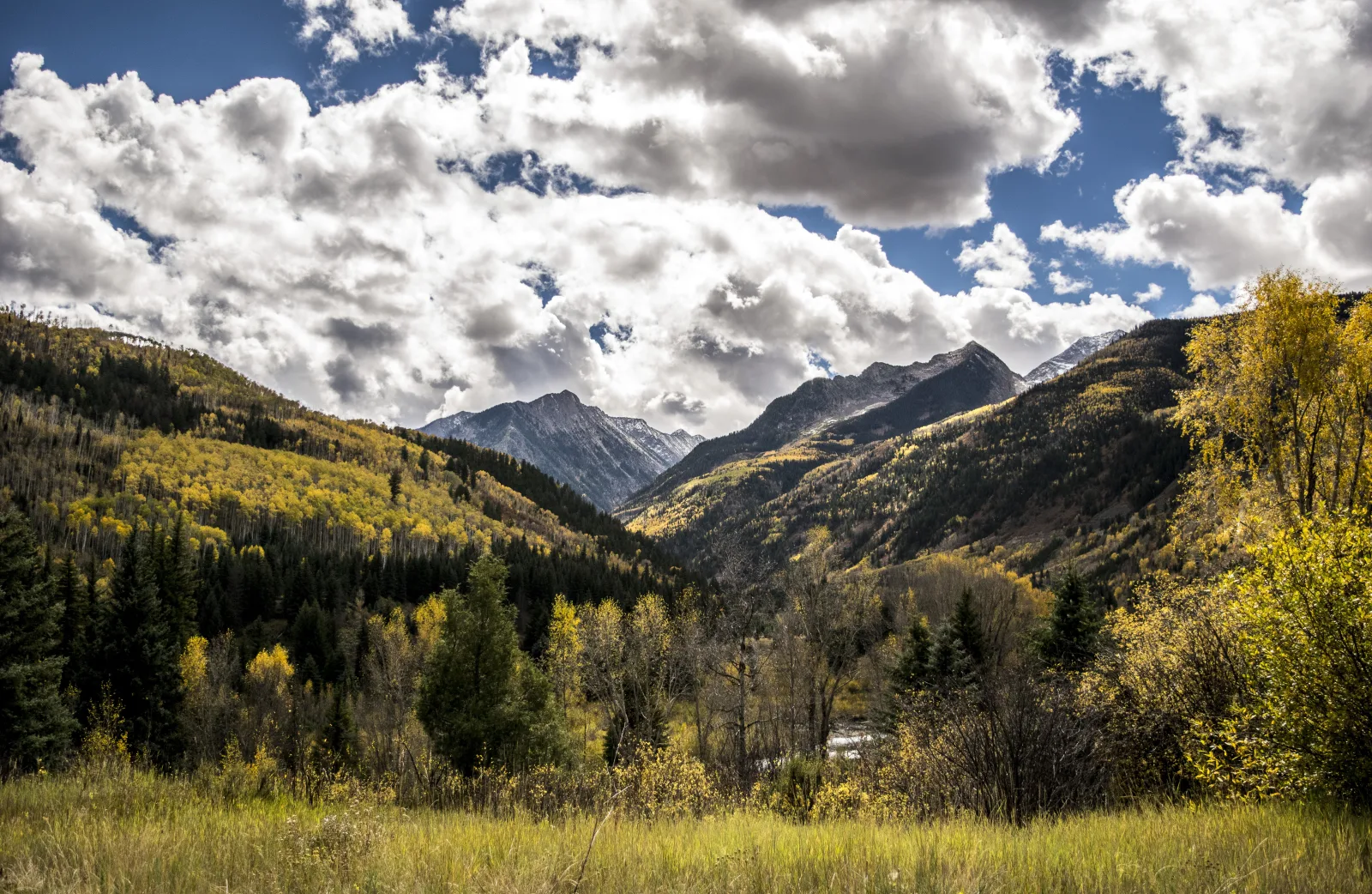
Chasing Aspen Gold in the Wasatch
For two weeks each fall, the mountainsides above the valleys turn molten. Here's how to time the bloom.
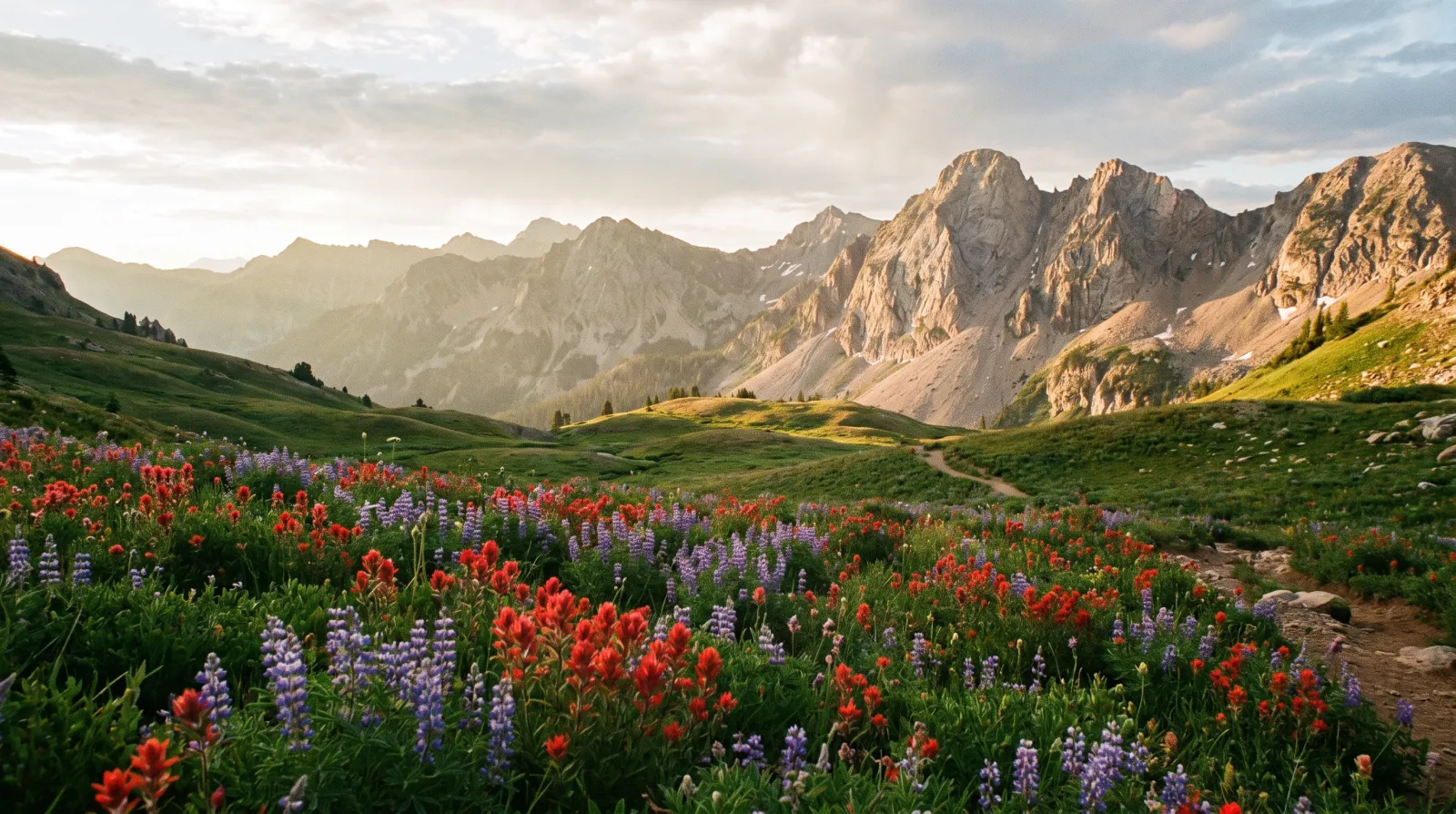
Albion Basin Wildflowers: When They Peak, and How to Hike Cecret Lake
Albion Basin's wildflowers peak from mid-July through early August, and the short hike to Cecret Lake is the easiest way to walk through more than 120 species in one alpine bowl above Alta.
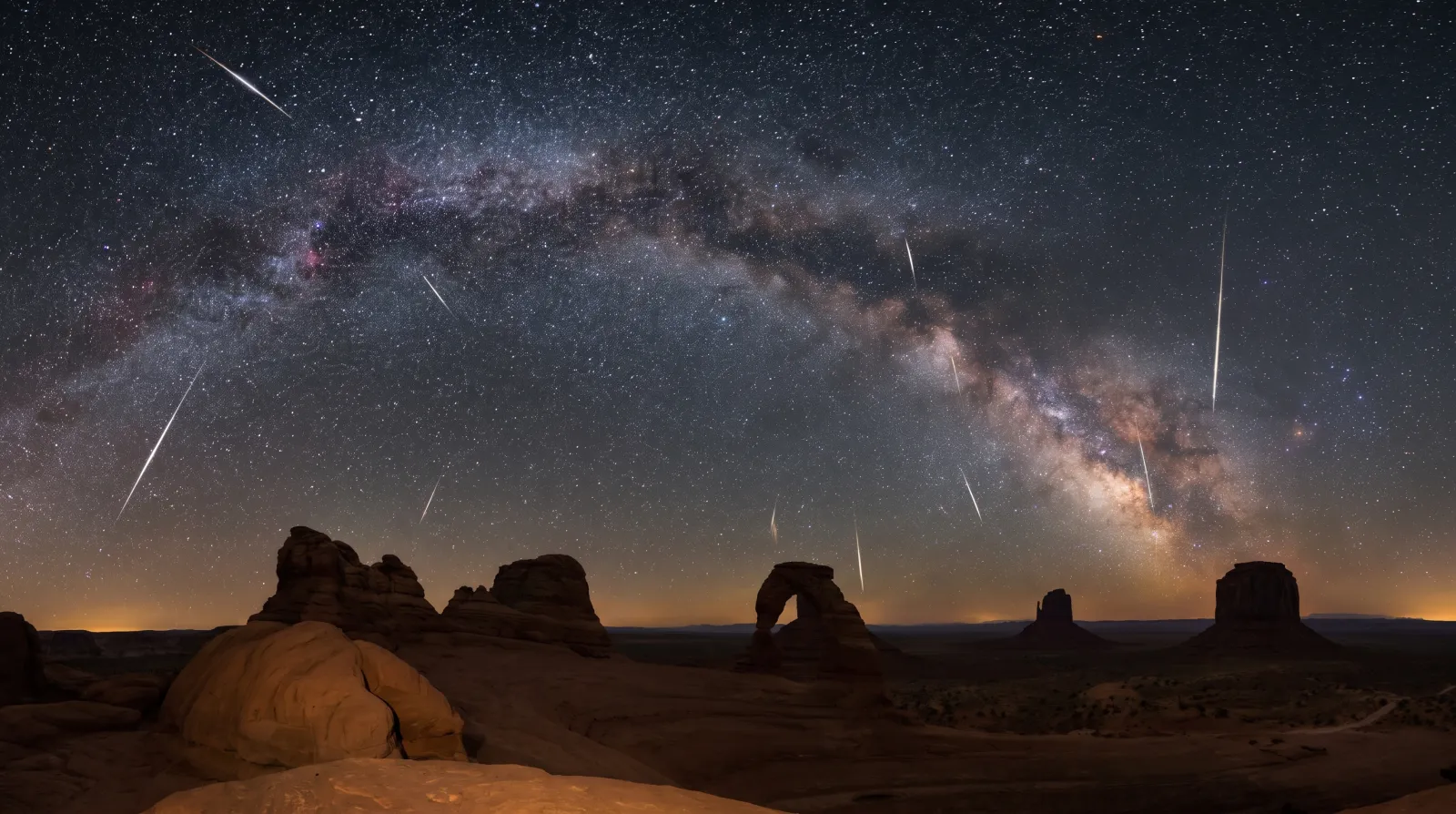
Where to Watch the 2026 Perseids in Utah — the Darkest Skies in the Country, and the Best Meteor Year Since 2018
The 2026 Perseids peak the night of August 12–13 on a rare new moon, meaning no moonlight to wash out the sky. From a genuinely dark Utah site, expect 50 to 100 meteors an hour — the best conditions the shower has had in years.