Why Bear Lake Is So Blue — and the Four Fish That Live There and Nowhere Else on Earth
By Utah Untamed Editorial · Published
Bear Lake, straddling the Utah-Idaho border near Garden City, gets its turquoise color from suspended calcium carbonate that scatters blue light. The lake, estimated at a minimum of 28,000 years old, is home to four endemic fish species found nowhere else on Earth — more than any other lake in North America. Each January, Bonneville cisco spawn by the millions in the shallows, and anglers wade in with hand-held dip nets in a local tradition known as the Cisco Disco.
Bear Lake looks turquoise because microscopic particles of limestone stay suspended in the water and scatter sunlight toward the blue end of the spectrum — the same trick that colors a tropical lagoon, running here at 5,900 feet on the Utah–Idaho line. It is not dye, not depth, and not a filter. It is dissolved calcium carbonate, ground out of the surrounding Bear River Range and carried in by springs, hanging in water clear enough to let the color happen. People call it the Caribbean of the Rockies, and on a bright summer afternoon the name earns itself.
That color is the reason hundreds of thousands of people point their cars north every summer. But the water is doing something stranger than looking pretty, and most of the crowd on the beach has no idea. Bear Lake has been sitting in this valley long enough — tens of thousands of years, by the low estimate — to grow its own fish. Four species swim in Bear Lake that swim in no other water on the planet. That is a bigger roster of one-of-a-kind fish than any other lake in North America carries.
Where is Bear Lake, and how big is it?
Bear Lake straddles the Utah-Idaho border, split almost exactly in half between the two states, with the Utah shore centered on Garden City in Rich County. It runs about 20 miles long and 8 miles wide, covers roughly 109 square miles, and drops to 208 feet at its deepest. That makes it one of the largest natural freshwater lakes in the Intermountain West, and by most reckonings one of the oldest lakes in North America — geologists put its age at a minimum of 28,000 years, with some estimates reaching into the hundreds of thousands.
The drive from the Wasatch Front is the part that surprises first-timers. It is only about two and a half hours from Salt Lake City, most of it up through Logan Canyon on Highway 89, and then the canyon opens and the whole blue sheet of it drops into view from the overlook near the summit. That first look is the one that ends up on everyone’s phone.
Why is the water turquoise?
The color comes from suspended calcium carbonate — limestone, essentially — dissolved out of the mountains and held in the water column as microscopic particles. When sunlight hits the lake, those particles scatter the shorter blue wavelengths more than the reds and yellows, so blue is what bounces back to your eye. Very clear water helps, because it lets the light travel far enough to do the scattering. A calm surface and a blue sky push the effect further; under gray cloud the lake shifts toward a moodier aquamarine.
This is the fact worth correcting, because a lot of people assume the blue means the water is exceptionally pure or shallow. It is the opposite of the first and unrelated to the second. The lake is blue because of what is dissolved in it, not because of what is absent. The same limestone chemistry that colors the water is what makes it hospitable to a set of animals found nowhere else — the color and the biology come from the same source.
The four endemic fish
Endemic means native to one place and no other. Bear Lake has four fish that qualify, all of them the product of the lake’s long isolation and unusual chemistry.
The Bonneville cisco is the small, silvery, sardine-shaped one that runs the whole show. It rarely tops eight inches, travels in enormous schools, and is the base of the food web — the lake trout and cutthroat that draw anglers are largely eating cisco. The Bonneville whitefish and the Bear Lake whitefish are its cousins, two more members of the same genus that split off into separate species inside this single lake. And the Bear Lake sculpin is the odd one out — a small, big-headed bottom fish that lives down in the cold and dark and, like the other three, exists on Earth only here.
Four species, one lake, found nowhere else. Biologists studying the lake are blunt about what that means: more endemic fish live in Bear Lake than in any other lake on the continent. They got that way by being cut off long enough to evolve into something the rest of the world never grew.
The cisco run: a January phenomenon you can see nowhere else
Here is the part that sounds made up. For a couple of weeks in the dead of winter, usually mid-January into February, the Bonneville cisco school up by the millions to spawn over the rocky shallows on the east side of the lake, in water just two to five feet deep and barely above freezing — 36 to 39 degrees. And people wade in after them with long-handled dip nets, scooping the fish out by hand.
It is legal, it is regulated, and it is the only place on Earth it happens. Locals call it the Cisco Disco. You need a valid fishing license, a net with a hoop no wider than 18 inches, and a tolerance for standing in January lake water while the wind comes off the Bear River Range. The fish are small but they run thick, and the whole thing has the feel of a folk ritual that never made it into the guidebooks. If Bear Lake in summer is the Caribbean, Bear Lake in January is a frozen shoreline full of people with nets, chasing a fish that lives nowhere else.
The raspberry valley
The other thing Bear Lake is known for you drink through a straw. The valley’s soil and short, cool growing season turned out to be ideal for raspberries, and the crop became the signature of the place — enough that “Bear Lake raspberry shake” is a full sentence to anyone who grew up in northern Utah. Stands and drive-ins around Garden City sell them all summer, thick and cold and worth the line.
The valley leans all the way into it once a year at Bear Lake Raspberry Days, centered on Heritage Park in Garden City. It opens with a Thursday parade — floats, marching bands, antique cars — and rolls through a craft-and-food fair, a 5K, a golf scramble, a nighttime boat parade lit up across the water, and fireworks to close it out. It is the most Bear Lake thing on the calendar, and it lands right at the peak of raspberry season in early August.
Is Bear Lake worth visiting in summer?
Yes, with two honest caveats. The water that looks tropical is not tropical-warm — Bear Lake sits high and stays cold, and even in midsummer the swimming is bracing more than balmy, which is exactly why it feels so good when the valley below is baking. And peak summer weekends bring the whole state at once; the beaches at Bear Lake State Park and the marina fill early, the two-lane roads into Garden City back up, and lodging books out months ahead. Go on a weekday if you can, get there early if you can’t, and point your camera at the water from the Logan Canyon overlook before you ever reach the shore. The color is the whole reason you came, and it is real.
Frequently Asked Questions
Why is Bear Lake so blue? add
Bear Lake is turquoise because microscopic calcium carbonate (limestone) particles are suspended in its clear water and scatter sunlight toward the blue end of the spectrum. The limestone is dissolved out of the surrounding Bear River Range and carried into the lake by springs. The color reflects what is dissolved in the water, not exceptional purity or shallowness.
What fish live in Bear Lake that live nowhere else? add
Four endemic species: the Bonneville cisco, Bonneville whitefish, Bear Lake whitefish, and Bear Lake sculpin. All four evolved in the lake's isolation and are found nowhere else on Earth — more one-of-a-kind fish than any other lake in North America.
What is the Bear Lake cisco run? add
Each January into February, Bonneville cisco spawn by the millions in two to five feet of water along the lake's east side. Licensed anglers wade in and catch them with hand-held dip nets — a phenomenon that happens only at Bear Lake, known locally as the Cisco Disco.
Is Bear Lake cold to swim in? add
Yes. Bear Lake sits at about 5,900 feet and stays cold; even mid-summer swimming is bracing. That's part of why it's such a relief on hot days when the valleys below are in the 90s and 100s.
Keep Exploring
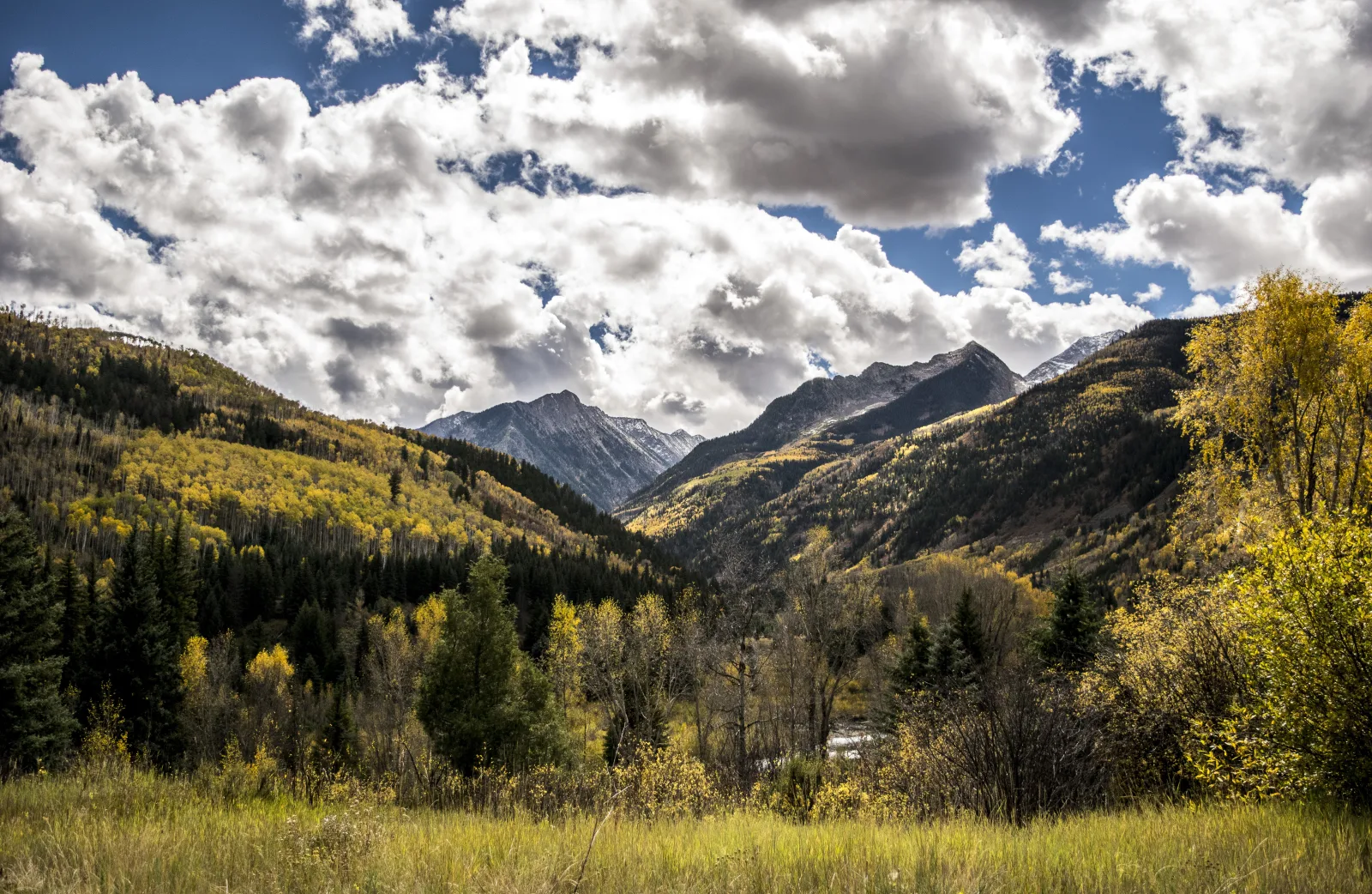
Chasing Aspen Gold in the Wasatch
For two weeks each fall, the mountainsides above the valleys turn molten. Here's how to time the bloom.
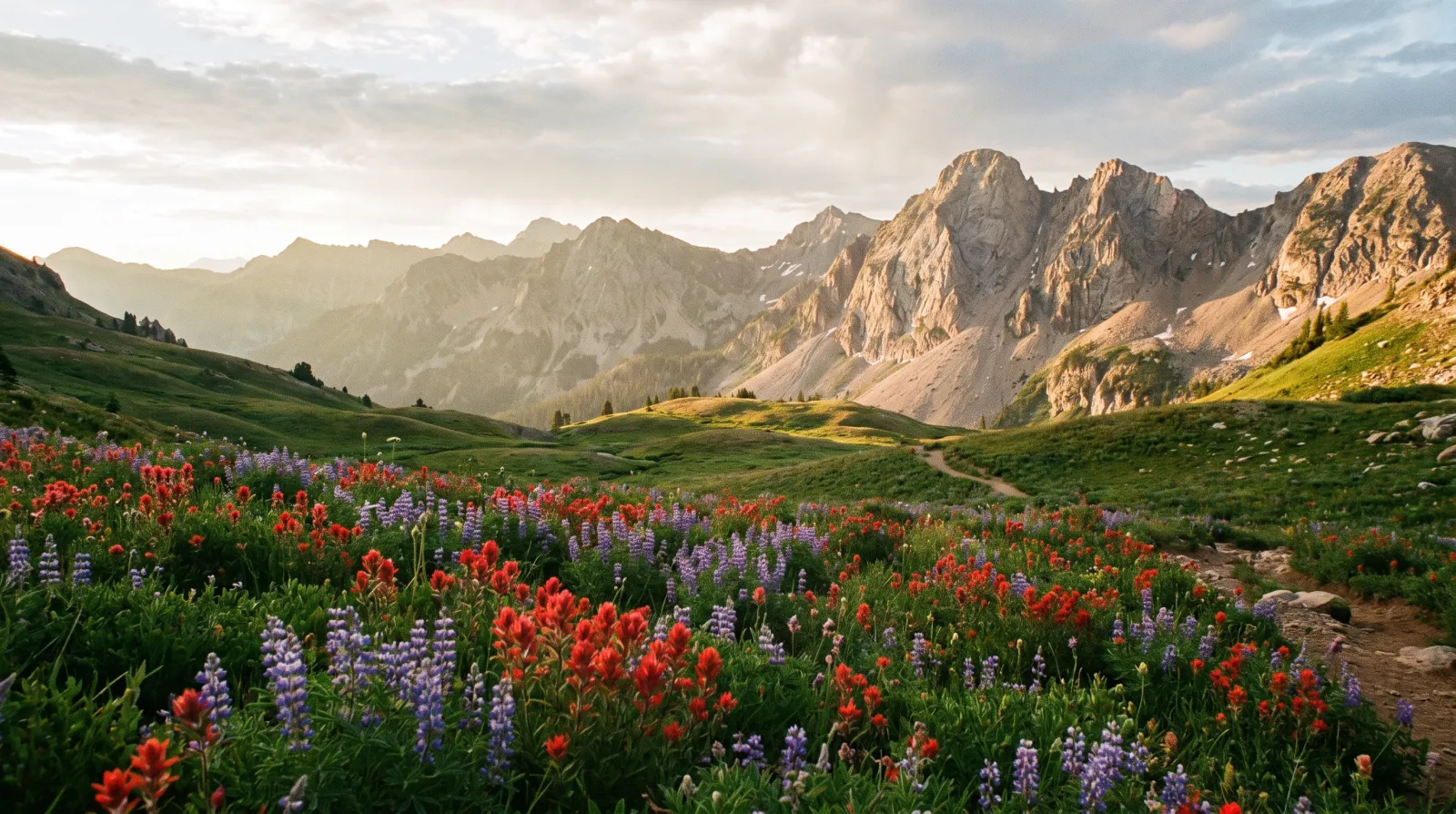
Albion Basin Wildflowers: When They Peak, and How to Hike Cecret Lake
Albion Basin's wildflowers peak from mid-July through early August, and the short hike to Cecret Lake is the easiest way to walk through more than 120 species in one alpine bowl above Alta.
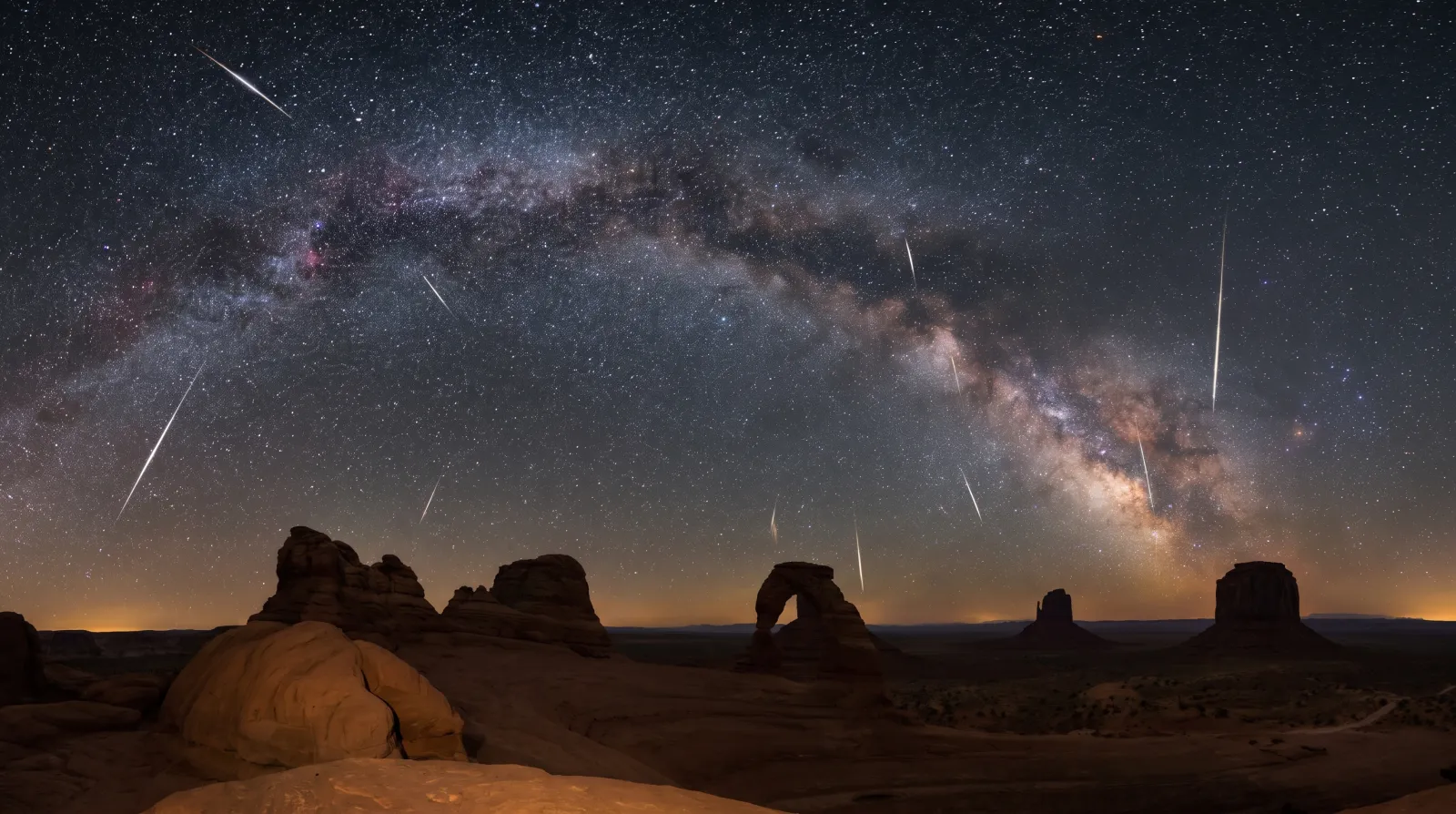
Where to Watch the 2026 Perseids in Utah — the Darkest Skies in the Country, and the Best Meteor Year Since 2018
The 2026 Perseids peak the night of August 12–13 on a rare new moon, meaning no moonlight to wash out the sky. From a genuinely dark Utah site, expect 50 to 100 meteors an hour — the best conditions the shower has had in years.